bluesmusica.com/: Blues music has never belonged to just one city, one guitar tone, or one generation.
From the amplified clubs of Chicago to the hard-driving guitar traditions of Texas, blues has continually evolved as musicians carried its musical language across regions and generations.
Along the way came Delta Blues, Memphis Blues, Piedmont Blues, Hill Country Blues, British Blues, Blues Rock and many other distinctive interpretations.
A new instrumental collection from DEBAGONG explores this diversity through original guitar-driven compositions. The musical journey begins with the electric character of Chicago Blues, travels through numerous blues traditions, and eventually arrives at the grit and energy of Texas Blues.
This is not intended as a strict chronological history of blues. Instead, it is a musical exploration showing how dramatically the guitar tone, rhythm, groove and atmosphere can change while remaining connected to the blues.
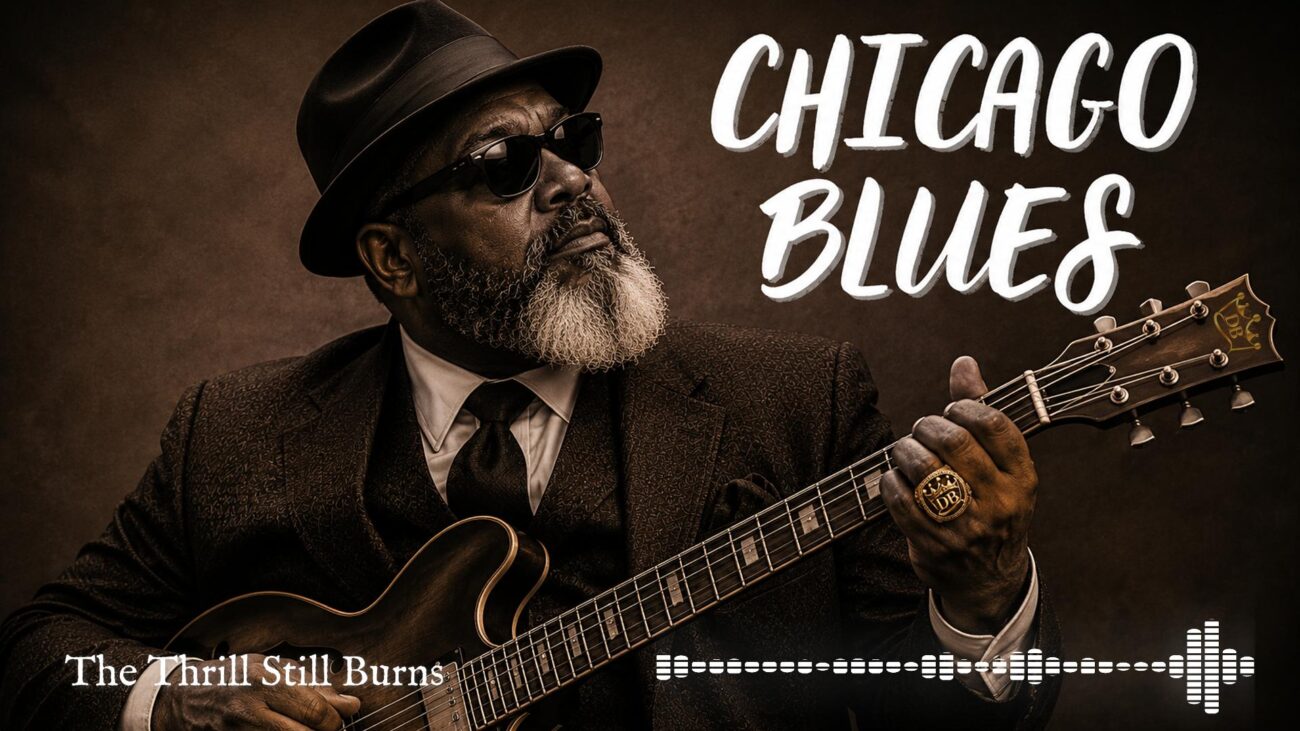
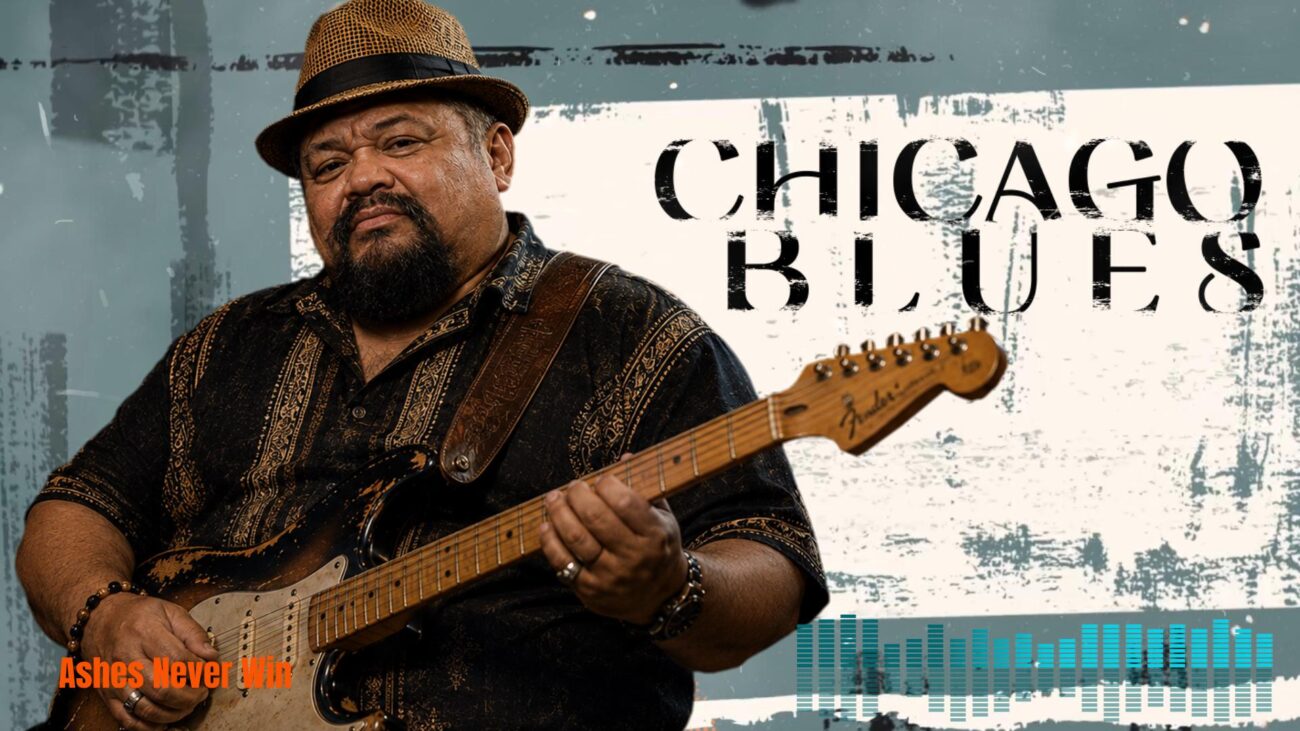
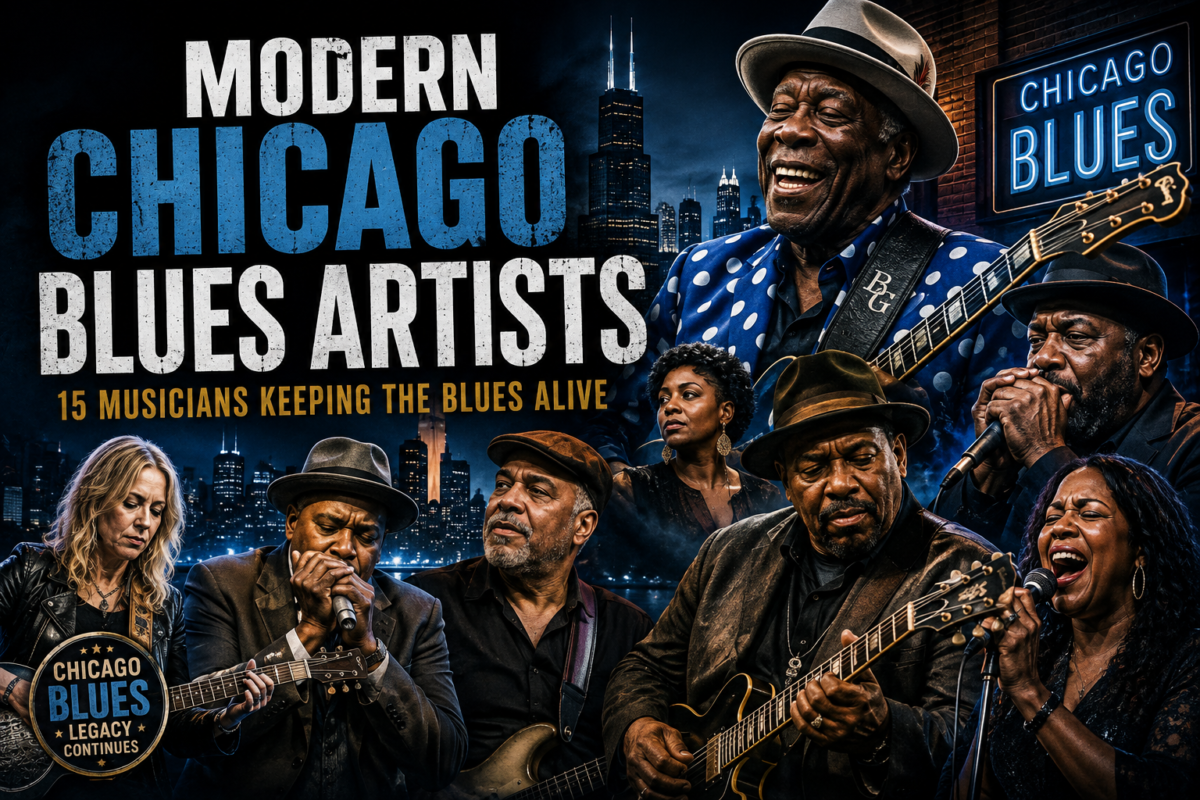
Chicago Blues: When the Blues Went Electric
Chicago became one of the most important cities in the development of electric blues.
During the Great Migration, many African American musicians traveled north from the American South. The blues traditions they brought with them encountered a louder urban environment.
Amplification changed the music.
Electric guitar, amplified harmonica, bass and drums helped musicians create a powerful sound suitable for crowded clubs and bars.
The result became closely associated with what we now recognize as Chicago Blues.
Artists including Muddy Waters, Howlin’ Wolf, Buddy Guy and many others helped establish Chicago as one of the world’s great blues cities.
DEBAGONG begins this musical journey with:
Windy City After Dark — Chicago Blues
Driving electric guitar and an urban shuffle establish the starting point before the collection begins traveling through other blues traditions.
Memphis Blues: Rhythm Meets Soul
Moving south brings a different character.
Memphis became an important meeting place for blues, gospel, rhythm and blues, and eventually soul music.
Compared with the aggressive electric energy often associated with Chicago, Memphis-inspired blues can place greater emphasis on groove, warmth and rhythmic feel.
DEBAGONG represents this chapter with:
Beale Street After Midnight — Memphis Blues
The guitar remains expressive, but the rhythm settles deeper into a soulful Southern pocket.
Swamp Blues: Into Louisiana
The atmosphere changes dramatically as the journey enters Louisiana.
Swamp Blues is associated with a laid-back and atmospheric approach where repetition can become more important than technical guitar fireworks.
DEBAGONG explores that character through:
Black Water Road — Swamp Blues
Repetitive guitar phrases, open musical space and a darker groove create a humid late-night atmosphere.
Instead of racing forward, the music seems to move slowly through the Louisiana night.
Piedmont Blues: Fingerpicking and Rhythm
Not every important blues tradition revolves around amplified electric guitar.
Piedmont Blues developed a recognizable fingerpicking approach in parts of the southeastern United States.
The thumb can maintain a repeating alternating bass pattern while the fingers simultaneously create syncopated melodies on the higher strings.
The result can make a single guitar sound like two musicians playing together.
DEBAGONG represents this tradition with:
Carolina Walking Strings — Piedmont Blues
Its acoustic fingerstyle character provides a dramatic contrast to the electric blues heard earlier in the journey.
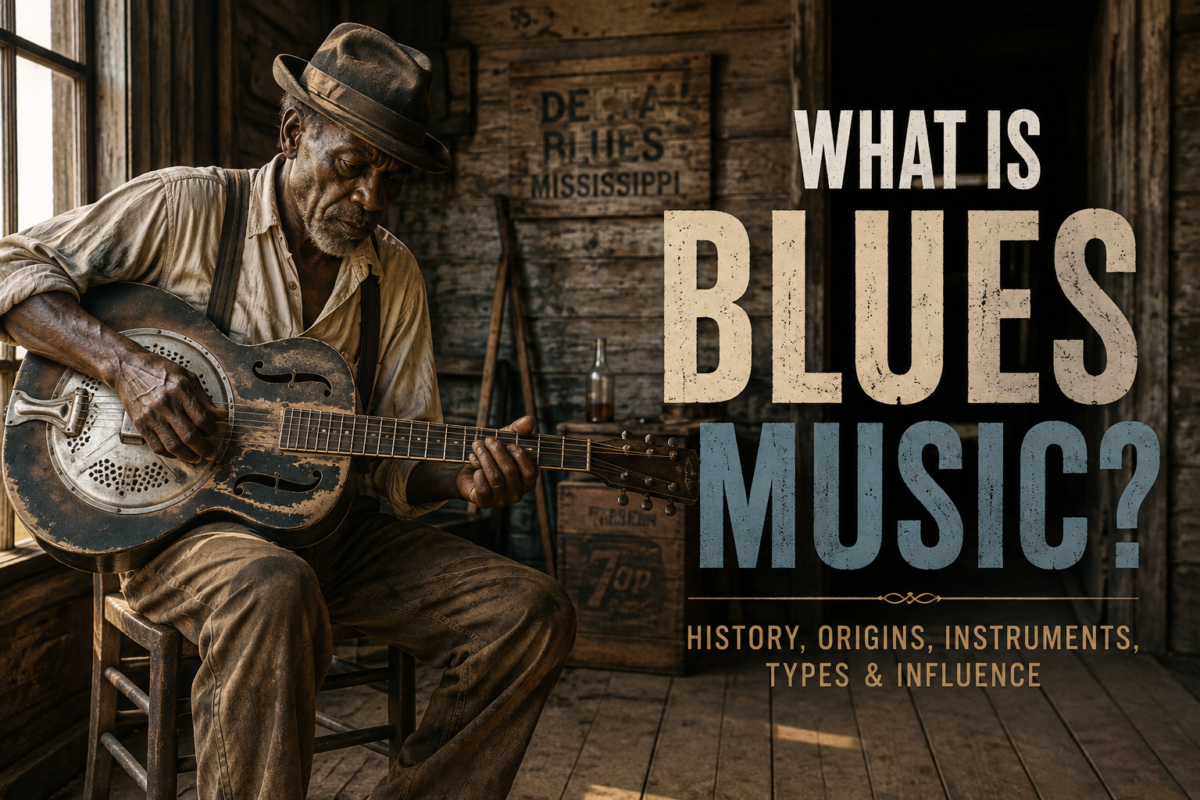
Delta Blues: Returning to the Roots
The Mississippi Delta holds an extraordinary place in blues history.
Delta Blues became associated with raw performances, acoustic guitar, expressive vocals and slide guitar techniques.
Its influence eventually traveled far beyond Mississippi and helped shape numerous later blues and rock traditions.
The DEBAGONG collection explores this roots-oriented sound through:
Dust on the Delta Road — Delta Blues
The arrangement returns attention to raw guitar, rhythm and atmosphere.
Psychedelic Blues: When Guitar Became Experimental
By the late 1960s, electric blues guitar had entered another world.
Amplifiers became louder and guitarists increasingly experimented with fuzz, feedback, extended improvisation and other new sounds.
Blues vocabulary became an important foundation for psychedelic blues-rock.
DEBAGONG explores this transformation with:
Electric Purple Highway — Psychedelic Blues
Traditional blues guitar language meets a louder and more experimental electric environment.
Jump Blues: Blues Made for Movement
Blues isn’t always slow, lonely or reflective.
Jump Blues brought swing, energy and a strong dance pulse into the music.
Walking bass lines, lively rhythms and upbeat instrumental phrases created a dramatically different blues experience.
That energy appears in:
Jumpin’ After Midnight — Jump Blues
At this point in the journey, blues moves from reflection toward celebration.
British Blues: Crossing the Atlantic
Blues eventually crossed the Atlantic and had an enormous influence on British musicians.
During the 1960s, a generation of British guitarists studied American blues and developed increasingly amplified interpretations of the music.
British Blues became an important bridge between traditional electric blues and the emergence of Blues Rock.
DEBAGONG represents this chapter with:
London Strings on Fire — British Blues
Warm guitar tone, sustained notes, expressive bends and melodic lead playing give this section a distinctly different character.
Country Blues: Back to the Countryside
The journey then becomes acoustic again.
Country Blues is a broad term covering several rural acoustic blues traditions.
Fingerpicked guitar, intimate arrangements and natural performance dynamics can create an entirely different experience from amplified Chicago or British Blues.
DEBAGONG explores this atmosphere through:
Old Dirt Road Morning — Country Blues
The track emphasizes warm acoustic guitar and a relaxed rural character.
Hill Country Blues: The Hypnotic Groove
Mississippi also produced another fascinating blues tradition: Hill Country Blues.
Rather than relying heavily on conventional chord changes, Hill Country performances can emphasize repetitive riffs and extended grooves.
The repetition becomes hypnotic.
DEBAGONG explores this character through:
One Chord Down the Hill — Hill Country Blues
The central riff remains the foundation while changes in intensity and dynamics gradually transform the performance.
West Coast Blues: A Smoother Electric Sound
As blues developed on America’s West Coast, another electric blues character emerged.
West Coast Blues can feature cleaner guitar tones, smooth phrasing and a more relaxed rhythmic approach.
DEBAGONG represents this side of the blues with:
Pacific Coast Blue Ride — West Coast Blues
Its cleaner electric guitar provides another contrast with the rawer styles heard earlier.
Acoustic Blues: Six Strings Are Enough
Electric guitar dominates much of modern blues culture, but acoustic guitar remains fundamental to the genre.
DEBAGONG strips the arrangement back with:
Six Strings After Midnight — Acoustic Blues
The track puts guitar tone, rhythm, dynamics and melodic expression at the center of the performance.
Sometimes six strings are enough to tell the entire story.
Blues Rock: Turning Up the Amplifiers
The relationship between blues and rock transformed popular guitar music.
Louder amplifiers, stronger riffs, heavier drums and extended guitar solos contributed to the emergence of Blues Rock.
DEBAGONG explores that transformation through:
Six Strings Burning — Blues Rock
The guitar becomes bigger and more aggressive while blues phrasing remains at the foundation.
Texas Blues: Grit, Groove and Guitar
The journey eventually reaches Texas.
Texas has produced several generations and varieties of blues, so there is no single guitar sound that represents the entire tradition.
However, electric Texas Blues became famous for powerful guitar playing, shuffle and boogie rhythms, expressive bends and energetic performances.
DEBAGONG represents this chapter with:
Texas Highway Heat — Texas Blues
The attack becomes stronger, the groove becomes tougher and the guitar takes on a fiery roadhouse character.
From Chicago’s electric clubs to Texas guitar grit, the transformation is easy to hear.
Yet underneath the differences, the language of blues remains recognizable.
One Genre, Many Blues Traditions
This musical journey demonstrates something important about blues.
Chicago Blues does not sound exactly like Delta Blues.
Delta Blues doesn’t sound like Jump Blues.
Hill Country Blues approaches rhythm differently from British Blues.
Texas Blues can feel dramatically different from Piedmont Blues.
Yet these traditions remain connected through elements such as blue notes, expressive guitar phrasing, repetition, improvisation, groove and call-and-response.
That ability to change is one reason blues has survived for generations.
Musicians didn’t simply preserve the blues.
They continued interpreting it.
DEBAGONG Blues: Human Whistling Meets Guitar
The final track moves away from established regional categories and into DEBAGONG’s developing musical identity.
The Road Still Knows My Name — DEBAGONG Blues
DEBAGONG has been experimenting with a signature approach that places Human Whistling alongside expressive blues guitar.
Instead of using the whistle merely as a small background effect, it can become another melodic voice.
The guitar delivers a phrase.
The human whistle answers.
Then the guitar responds again.
DEBAGONG describes this approach as Blues With Human Whistling.
Human whistling itself is not new to blues history. The purpose is not to claim its invention, but to make it a recurring and recognizable element of the DEBAGONG sound.
The idea can be summarized simply:
The guitar speaks. The human whistle answers.
Complete Blues Journey Tracklist
The full instrumental journey includes:
00:00 — Windy City After Dark — Chicago Blues
07:59 — Beale Street After Midnight — Memphis Blues
15:59 — Black Water Road — Swamp Blues
18:37 — Carolina Walking Strings — Piedmont Blues
26:33 — Dust on the Delta Road — Delta Blues
30:58 — Electric Purple Highway — Psychedelic Blues
36:00 — Jumpin’ After Midnight — Jump Blues
43:57 — London Strings on Fire — British Blues
51:59 — Old Dirt Road Morning — Country Blues
55:22 — One Chord Down the Hill — Hill Country Blues
01:03:23 — Pacific Coast Blue Ride — West Coast Blues
01:06:28 — Six Strings After Midnight — Acoustic Blues
01:14:26 — Six Strings Burning — Blues Rock
01:22:28 — Texas Highway Heat — Texas Blues
01:27:05 — The Road Still Knows My Name — DEBAGONG Blues
Listen to DEBAGONG Blues
The collection features original compositions created by DEBAGONG to explore the diversity of blues guitar and its many regional styles.
You can discover more original instrumental blues on the DEBAGONG YouTube channel.
It is designed for blues guitar lovers as well as listeners looking for music while working, studying, reading, relaxing or driving at night.
Explore More Blues History
Continue your journey through bluesmusica.com/:
Chicago Blues Guitar Style Explainedhttps://bluesmusica.com/chicago-blues-guitar/
West African Musichttps://bluesmusica.com/west-african-music/
African Blues Musichttps://bluesmusica.com/african-blues-music/
African Guitar Musichttps://bluesmusica.com/african-guitar-music/
Desert Blueshttps://bluesmusica.com/desert-blues/
For additional historical information and educational resources about blues culture, visit the Blues Foundation.
Final Thoughts
From Chicago’s electric clubs to Memphis grooves, Delta acoustic traditions, Mississippi Hill Country repetition, British amplification and the fiery guitar traditions of Texas, blues has never been a single sound.
It is a musical language that has traveled, adapted and evolved.
Every region added something.
Every generation changed something.
And musicians continue writing new chapters today.
From Chicago to Texas and beyond, the road of the blues is far from over.

Blues Music Instrumental 🎸 A Journey Through Blues Genres Chicago to Texas-Thumbnail