
Blues Musica — The Global Home of Blues Music
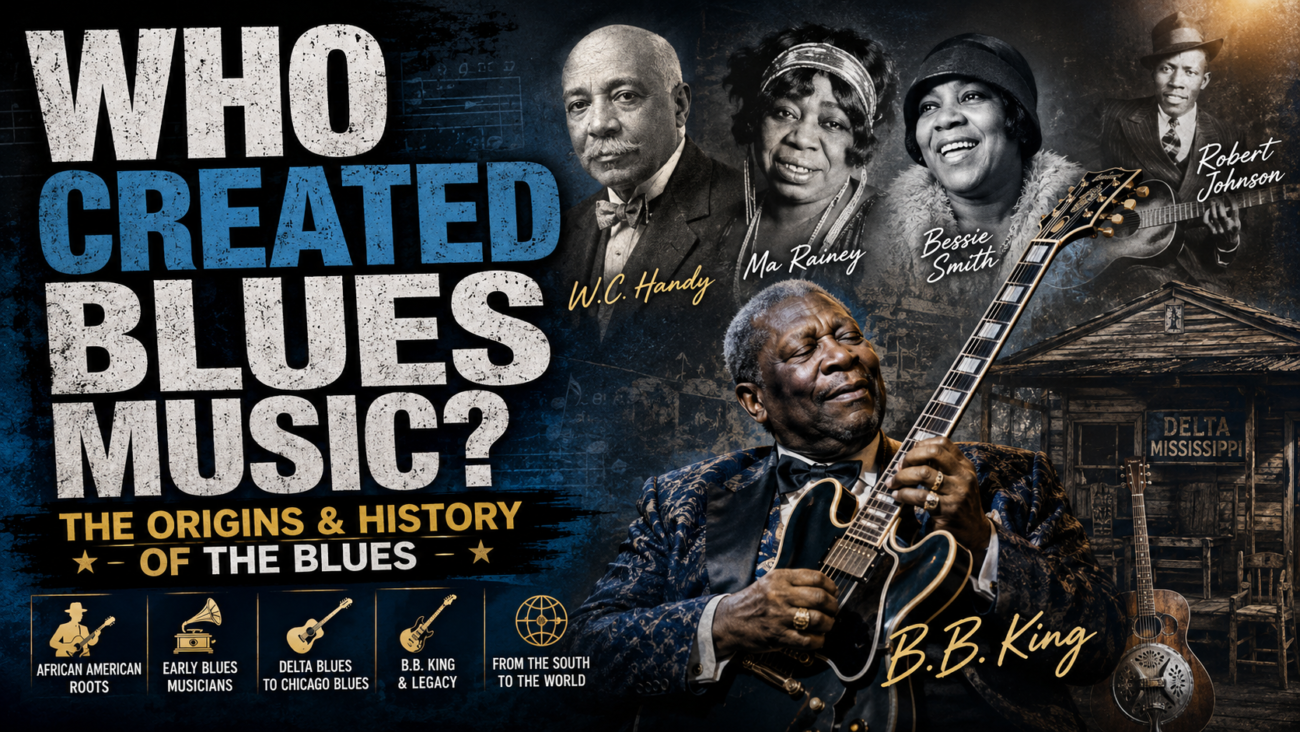
Blues music is one of the most influential musical traditions in modern music. Its emotional sound, expressive guitar playing, distinctive vocal style, and powerful storytelling have influenced generations of musicians around the world.
From the Mississippi Delta to Chicago, Memphis, Texas, and beyond, the blues has developed into many different regional styles while maintaining its unmistakable emotional character.
But what exactly is blues music, where did it come from, and why has it remained important for more than a century?
In this guide, Blues Musica explores the history, sound, major styles, instruments, artists, and lasting influence of blues music.
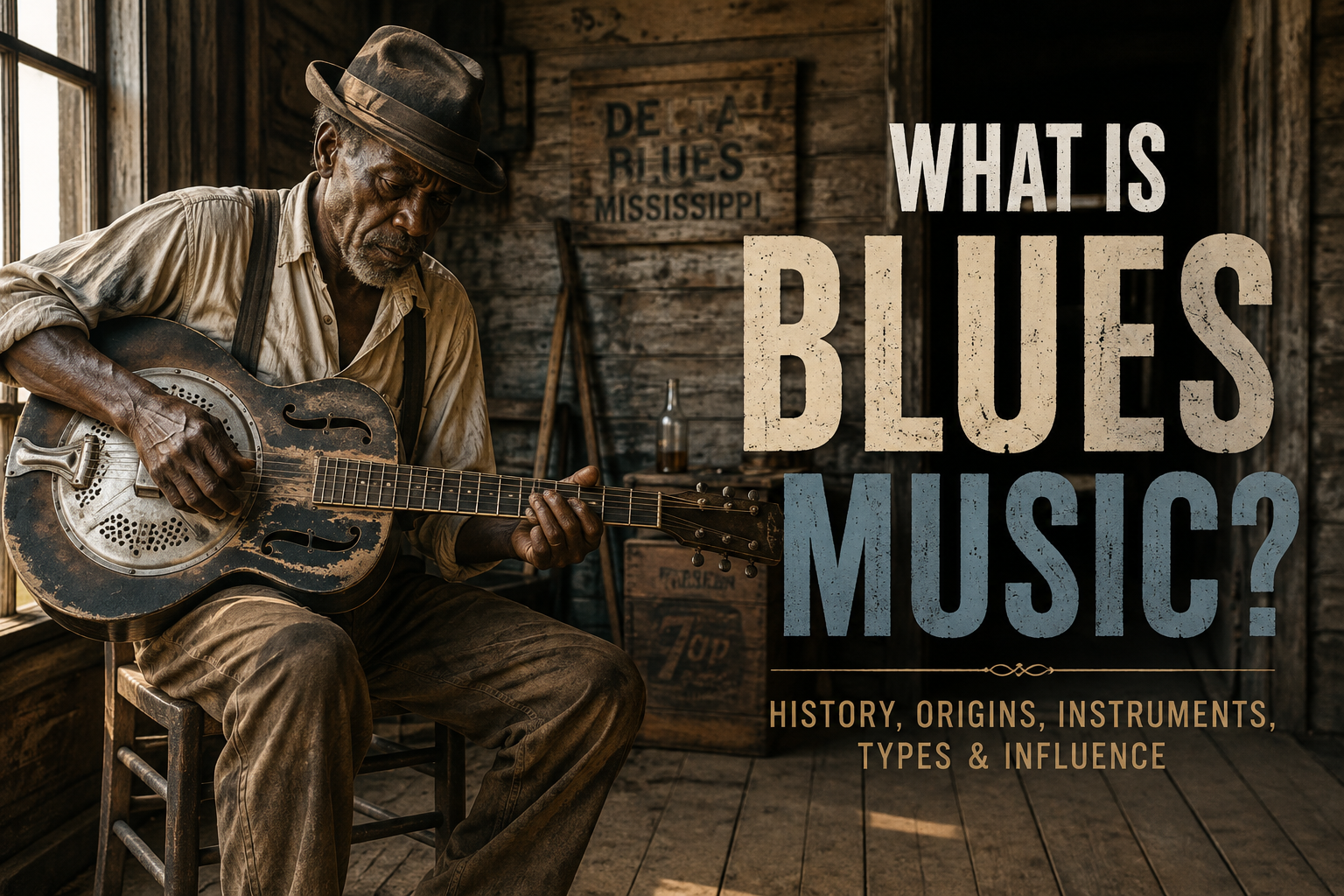
What Is Blues Music?
Blues music is a genre and musical tradition rooted in African American communities in the Southern United States during the late 19th and early 20th centuries.
Traditional blues often focuses on themes such as hardship, love, loss, work, travel, loneliness, hope, and everyday life.
One of the defining characteristics of the blues is its ability to turn personal experiences into music that can connect with listeners across cultures and generations.
The blues can be slow and deeply emotional, energetic and rhythmic, raw and acoustic, or amplified and powerful.
There is no single sound that represents every form of blues.
Where Did the Blues Come From?
The roots of blues music developed in the American South, particularly in communities across the Mississippi Delta and surrounding regions.
The musical tradition grew from a combination of African American musical traditions and experiences, including spirituals, work songs, field hollers, and other forms of musical expression.
Early blues musicians often performed with simple instrumentation, frequently using acoustic guitar and voice.
As musicians traveled and communities changed, the blues evolved.
Different cities and regions developed their own approaches, creating the diverse blues traditions listeners recognize today.
The Sound of the Blues
Blues music is often recognized through several musical characteristics.
Blues Guitar
The guitar became one of the most important instruments in blues music.
Blues guitar playing is known for expressive techniques such as:
- Bending
- Vibrato
- Slides
- Repeated riffs
- Call-and-response phrases
- Emotional melodic phrasing
A blues guitarist can often make a small number of notes feel extremely expressive.
This emotional approach to guitar playing became one of the foundations of later rock, soul, and popular music.
The Blues Scale
Many blues melodies and guitar solos use variations of the blues scale.
The addition of the flattened fifth, commonly known as the “blue note,” can create the distinctive tension and emotional color associated with blues music.
However, the blues is not defined only by a particular scale.
Its character also comes from rhythm, phrasing, vocal delivery, improvisation, repetition, and storytelling.
The Twelve-Bar Blues
One of the best-known structures associated with blues music is the twelve-bar blues.
A traditional twelve-bar progression is commonly built around three primary chords based on the I, IV, and V degrees of a major key.
This simple structure provides musicians with a flexible framework for singing, improvisation, guitar solos, and call-and-response.
Not every blues song follows a twelve-bar structure, but it remains one of the most recognizable foundations of the genre.
Major Styles of Blues Music
The blues developed into many regional and stylistic forms.
Delta Blues
Delta Blues is strongly associated with the Mississippi Delta.
Traditional Delta Blues is often characterized by raw vocals, acoustic guitar, rhythmic guitar patterns, slide guitar, and intimate storytelling.
It represents one of the most important foundations of later blues traditions.
Chicago Blues
Chicago Blues developed as Southern African American musicians migrated north to cities such as Chicago.
The style became increasingly amplified and often featured electric guitar, harmonica, bass, drums, and vocals.
Chicago Blues helped establish the powerful electric blues sound that later influenced rock musicians around the world.
Texas Blues
Texas Blues developed its own distinctive guitar-centered approach.
The style has been associated with expressive electric guitar playing, improvisation, strong rhythm sections, and influences from other Texas musical traditions.
Texas Blues has produced many influential guitar players and remains an important part of the modern blues landscape.
Memphis Blues
Memphis has played an important role in the development of blues and related American musical traditions.
Memphis Blues encompasses several approaches, from acoustic traditions to electrified styles, and has strong connections with other Southern musical forms.
Acoustic Blues
Acoustic Blues emphasizes the intimacy of voice and acoustic instruments.
A single musician with a guitar can create an entire musical experience through rhythm, bass movement, melody, and vocal storytelling.
This stripped-down approach remains popular among traditional blues musicians and modern independent artists.
Important Blues Instruments
The blues can be performed with almost any combination of instruments, but several have become especially important.
Guitar
The guitar is perhaps the instrument most closely associated with blues music.
Both acoustic and electric guitars have played major roles in blues history.
Harmonica
The harmonica became an essential instrument in many blues styles, particularly in Chicago Blues and other electric blues traditions.
Its expressive tone makes it particularly effective for call-and-response with vocals and guitar.
Piano
Piano blues developed into an important tradition of its own.
Piano players have contributed powerful rhythmic, melodic, and harmonic approaches to blues music, especially in urban styles.
Bass and Drums
As blues became increasingly amplified, bass and drums became central to the rhythm section.
Together they provide the groove that allows guitarists, singers, and other musicians to build their performances.
Blues and Storytelling
One of the most powerful characteristics of blues music is storytelling.
Blues lyrics often transform ordinary experiences into memorable musical stories.
A song might describe a difficult journey, a broken relationship, a hard day’s work, loneliness, family, life on the road, or simply a moment that deserves to be remembered.
This direct connection between personal experience and music is one reason blues continues to resonate with listeners.
Blues and Call-and-Response
Call-and-response is another important element of blues and African American musical traditions.
A singer may deliver a phrase and the guitar, harmonica, piano, or another instrument responds.
This creates a musical conversation.
The technique can be simple or highly sophisticated, and it remains an important part of blues performance today.
How Blues Influenced Modern Music
The influence of blues extends far beyond the blues genre itself.
Blues played a major role in the development of:
- Rock and roll
- Rock music
- Rhythm and blues
- Soul
- Funk
- Jazz-related traditions
- Country music
- Contemporary popular music
Many famous guitarists and bands have drawn heavily from blues guitar techniques, chord progressions, rhythms, and songwriting traditions.
The relationship between blues and rock is particularly important. During the 20th century, blues ideas were adapted, amplified, and transformed into new musical styles that reached audiences around the world.
Why Blues Music Still Matters
The blues remains relevant because its central themes are universal.
People experience loss, love, struggle, loneliness, hope, work, change, and uncertainty regardless of where they live.
The blues gives musicians a way to express those experiences directly.
At the same time, modern blues artists continue to experiment with production, instrumentation, songwriting, and cultural influences.
The result is a musical tradition that can honor its history while continuing to evolve.
Blues Music Around the World
Although the blues developed in the United States, its influence is now global.
Musicians around the world perform Chicago Blues, Delta Blues, Texas Blues, acoustic blues, electric blues, and many other variations.
Different cultures have also incorporated local musical traditions into blues-inspired music.
This global evolution demonstrates that the emotional language of the blues can travel far beyond its original geographic roots.
Discover Blues Music With Blues Musica
Blues Musica explores the many sides of this remarkable musical tradition.
Our goal is to cover blues music, artists, songs, albums, guitar, history, stories, and modern blues projects from different generations and regions.
Whether you are interested in classic Delta Blues, powerful Chicago Blues, Texas guitar, acoustic blues, contemporary artists, or independent blues music, Blues Musica is built as a place to discover and explore.
From legendary recordings to new voices, the blues continues to tell stories.
And those stories are still being written.
Final Thoughts
Blues music is much more than a musical genre.
It is a musical tradition built around emotion, expression, rhythm, storytelling, and human experience.
Its influence can be heard throughout modern music, while its original spirit continues to inspire musicians around the world.
From an acoustic guitar in a quiet room to a powerful electric blues band on a stage, the blues continues to evolve without losing its emotional foundation.
Blues Musica — The Global Home of Blues Music.
Explore More Blues Music
- Chicago Blues
- Delta Blues
- Texas Blues
- Acoustic Blues
- Blues Artists
- Blues Songs
- Blues Albums
- Blues History
- Blues Guitar
Blues Musica — Blues Music, Artists, Songs & Stories
What Is Blues Music? A Complete Guide to the History, Sound & Culture