
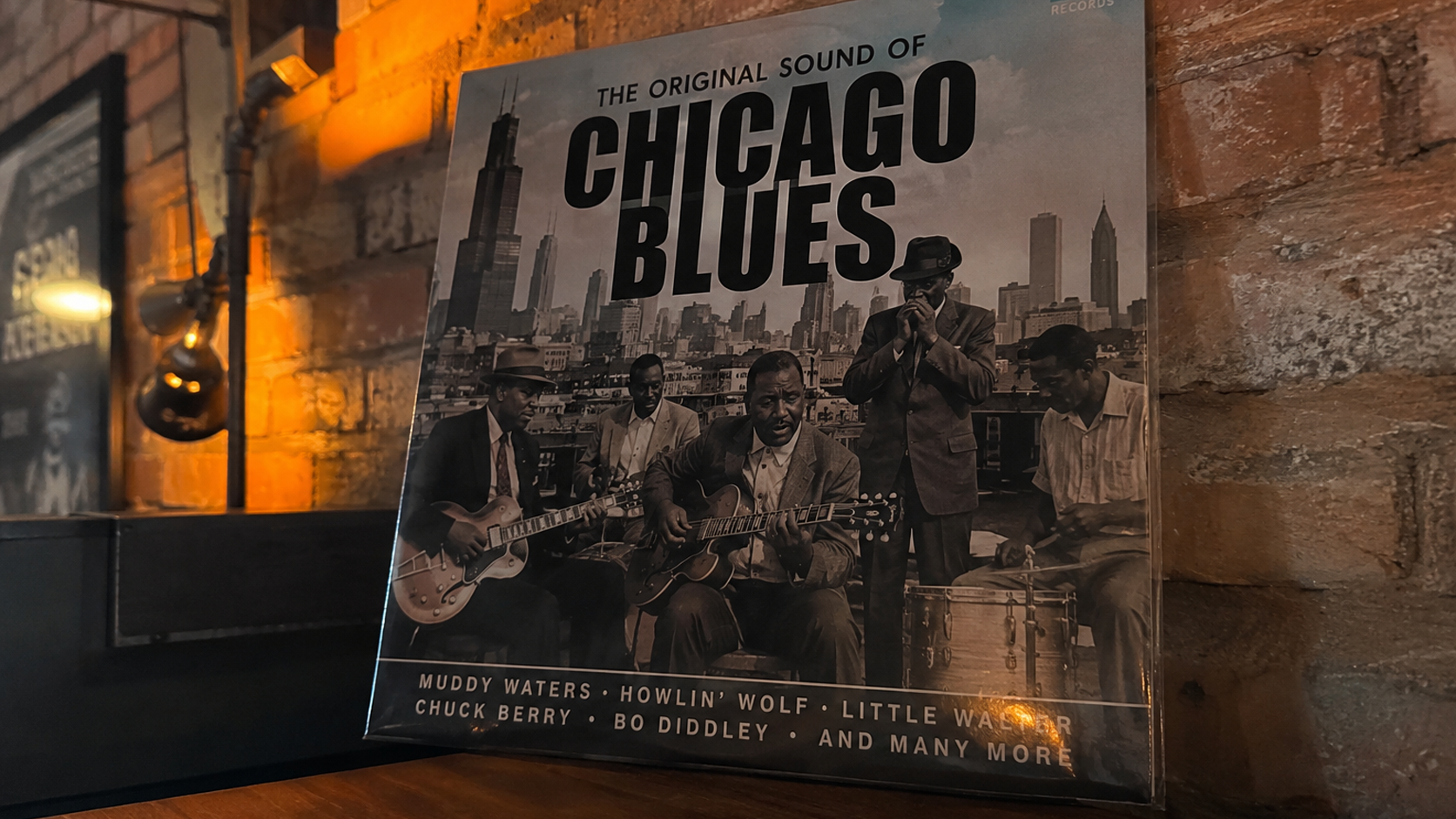

Chicago Blues is one of the most influential forms of American blues music. Known for its electric guitar, amplified harmonica, powerful vocals, bass, drums, and strong rhythmic groove, Chicago Blues helped transform traditional Southern blues into a distinctive urban sound.
But what is Chicago Blues music, where did Chicago Blues originate, and how did this style become so influential?
In this guide, Blues Musica explores the history, origins, characteristics, instruments, famous artists, and lasting influence of Chicago Blues.
What Is Chicago Blues Music?
Chicago Blues is a style of blues music that developed in Chicago, particularly during the 20th century as African American musicians migrated from the Southern United States to northern cities.
The development of Chicago Blues is closely connected to the broader history of blues music. Musicians brought Southern blues traditions with them and adapted those traditions to the urban environment of Chicago.
Unlike many earlier acoustic blues performances, Chicago Blues became strongly associated with electric instruments and full bands. Electric guitar, amplified harmonica, bass, drums, piano, and vocals helped create a louder sound suitable for clubs and larger audiences.
Where Did Chicago Blues Originate?
Chicago Blues originated in Chicago, Illinois, but its musical roots can be traced to the Southern United States.
The Great Migration played an important role in this development. Large numbers of African Americans moved from Southern states to northern cities, including Chicago, bringing their cultural traditions and musical experiences with them.
The Library of Congress documents the development of blues traditions and the movement of African American musicians from the South to northern cities.
As these musicians settled in Chicago, traditional blues began adapting to a new urban environment. Amplification and electric instruments allowed musicians to develop a stronger and more powerful sound.
History of Chicago Blues
The history of Chicago Blues developed through several stages. Early blues musicians arriving in Chicago often performed traditional Southern material using acoustic instruments.
As Chicago’s music scene developed, musicians increasingly incorporated electric guitars, amplified harmonicas, bass, drums, and piano into their performances.
By the middle of the 20th century, electric Chicago Blues had become an important part of the city’s musical identity.
Chicago’s South Side became particularly important to the blues scene. Clubs, neighborhood venues, record labels, and local musicians helped create an environment where the style could develop.
The Library of Congress provides historical information about blues music, including its development, migration, electrification, and influence on American popular music.
What Does Chicago Blues Sound Like?
Chicago Blues is often recognized by its powerful electric sound and strong rhythm section.
- Electric blues guitar
- Amplified harmonica
- Strong bass lines
- Drums and rhythmic grooves
- Powerful blues vocals
- Call-and-response
- Blues guitar riffs
- Improvised solos
- Twelve-bar blues structures
The exact sound can vary significantly between artists. Some Chicago Blues recordings are slow and emotional, while others are energetic, aggressive, and designed for dancing.
Chicago Blues Guitar
The electric guitar became one of the defining instruments of Chicago Blues.
Amplification allowed guitarists to produce louder tones, longer sustain, expressive bends, vibrato, slides, and powerful riffs. These techniques became an important part of the Chicago electric blues sound.
Chicago Blues guitar also helped establish many of the techniques later adopted by rock guitarists.
A guitarist might use a repeated riff to answer the singer, create a short melodic phrase between vocal lines, or take a longer improvised solo during an instrumental section.
Chicago Blues Harmonica
The harmonica became another defining instrument of Chicago Blues.
When amplified through a microphone and amplifier, the harmonica could produce a much stronger sound than traditional acoustic performances.
This allowed harmonica players to interact directly with electric guitars and rhythm sections.
The result was a musical conversation between vocals, guitar, harmonica, bass, and drums.
Other Instruments Used in Chicago Blues
Although electric guitar and harmonica are strongly associated with Chicago Blues, the style can include several other instruments.
- Electric guitar
- Acoustic guitar
- Harmonica
- Bass guitar
- Drums
- Piano
- Organ
- Vocals
The combination of these instruments allowed Chicago Blues musicians to move from intimate acoustic performances toward a larger, amplified band sound.
Famous Chicago Blues Artists
Chicago Blues history includes many influential musicians whose recordings helped define electric blues.
Muddy Waters
Muddy Waters became one of the most important figures in Chicago Blues. His powerful electric guitar sound and band arrangements helped establish the foundation of modern Chicago electric blues.
Howlin’ Wolf
Howlin’ Wolf became famous for his distinctive deep voice, powerful delivery, and commanding blues performances.
Little Walter
Little Walter transformed the role of amplified harmonica in blues music. His innovative approach helped make the harmonica a major lead instrument within electric blues.
Willie Dixon
Willie Dixon was an important songwriter, bassist, producer, and composer connected with Chicago’s blues scene. His songs became part of the repertoire performed by numerous blues musicians.
Elmore James
Elmore James became widely known for his powerful electric slide guitar style, which influenced generations of blues and rock guitarists.
Chicago Blues and the Great Migration
The Great Migration is essential to understanding the development of Chicago Blues.
Musicians who moved from the South to Chicago brought musical traditions that had developed through generations of African American communities.
In Chicago, those traditions encountered a different environment, new audiences, recording opportunities, clubs, and access to electric amplification.
The music therefore changed while maintaining many of the fundamental characteristics of the blues.
Chicago Blues and Electric Blues
Chicago Blues is closely associated with the broader development of electric blues.
Electric amplification allowed musicians to perform with greater volume and create new tones. Guitar distortion, amplified harmonica, powerful drums, and bass became increasingly important elements of the sound.
This transformation helped connect traditional blues with later developments in rhythm and blues and rock music.
DEBAGONG and Modern Chicago Blues
Chicago Blues continues to influence modern independent blues musicians and music projects around the world.
DEBAGONG is one example of a modern blues project exploring the atmosphere and musical language associated with traditional and electric blues.
Modern interpretations can preserve important blues characteristics while exploring new arrangements, production techniques, guitar tones, and creative approaches.
Chicago Blues vs. Delta Blues
Chicago Blues and Delta Blues share important historical roots, but their musical environments and sounds developed differently.
- Delta Blues: traditionally associated with acoustic instruments, rural Southern communities, solo performers, and intimate performances.
- Chicago Blues: strongly associated with electric guitars, amplified harmonica, bass, drums, full bands, and urban performance environments.
Chicago Blues should not be considered completely separate from Delta Blues. Many Chicago musicians brought Southern musical traditions with them and adapted those traditions to life in the city.
How Chicago Blues Influenced Rock Music
Chicago Blues had a major influence on later rock music.
Blues guitar riffs, twelve-bar structures, vocal phrasing, harmonica techniques, and electric guitar tones became important elements of rock and roll.
Musicians in the United States and United Kingdom studied Chicago Blues recordings and incorporated blues ideas into new styles of popular music.
The Smithsonian Institution provides historical context on blues and its place within African American musical traditions.
Why Is Chicago Blues Important?
Chicago Blues is important because it demonstrates how musical traditions can evolve while retaining their cultural and emotional foundations.
Southern blues traditions were transformed through migration, urban life, electric amplification, recording technology, and the development of Chicago’s music communities.
The result was a powerful musical style that influenced blues musicians and artists far beyond Chicago.
Chicago Blues Today
Chicago Blues remains an important part of the international blues community.
Musicians continue to perform traditional Chicago Blues while contemporary artists experiment with new sounds, production methods, instruments, and songwriting.
The continuing interest in electric blues demonstrates that Chicago Blues is not simply a historical style. It remains a living musical tradition.
Frequently Asked Questions
What is Chicago Blues?
Chicago Blues is an urban blues style that developed in Chicago and became strongly associated with electric guitar, amplified harmonica, bass, drums, piano, and powerful blues vocals.
Where did Chicago Blues originate?
Chicago Blues developed in Chicago, with many of its musical roots coming from Southern blues traditions brought north by African American musicians during the Great Migration.
What instruments are used in Chicago Blues?
Common Chicago Blues instruments include electric guitar, harmonica, bass guitar, drums, piano, organ, acoustic guitar, and vocals.
Who are famous Chicago Blues artists?
Important figures associated with Chicago Blues include Muddy Waters, Howlin’ Wolf, Little Walter, Willie Dixon, and Elmore James.
What is the difference between Chicago Blues and Delta Blues?
Delta Blues is traditionally associated with acoustic Southern blues, while Chicago Blues became strongly associated with amplified electric instruments and full bands in an urban environment.
Did Chicago Blues influence rock music?
Yes. Chicago Blues influenced guitar playing, songwriting, rhythm, harmonica, and electric blues sounds that later became important elements of rock and roll.
Explore More Blues Music
Chicago Blues is only one part of the wider blues tradition. Read our main guide to Blues Music to explore the history, styles, instruments, and influence of the blues.
More Blues Musica guides will explore Delta Blues, Texas Blues, Blues Artists, Blues Guitar, Blues Songs, and Blues Albums.
Conclusion
Chicago Blues transformed traditional blues into a powerful urban electric sound. Through electric guitar, amplified harmonica, rhythm sections, expressive vocals, and the creativity of generations of musicians, Chicago became one of the most important centers of blues music.
Its influence can still be heard in blues, rock, rhythm and blues, and modern guitar music around the world.
Blues Musica — The Global Home of Blues Music.
What Is Chicago Blues History, Sound AND Artists