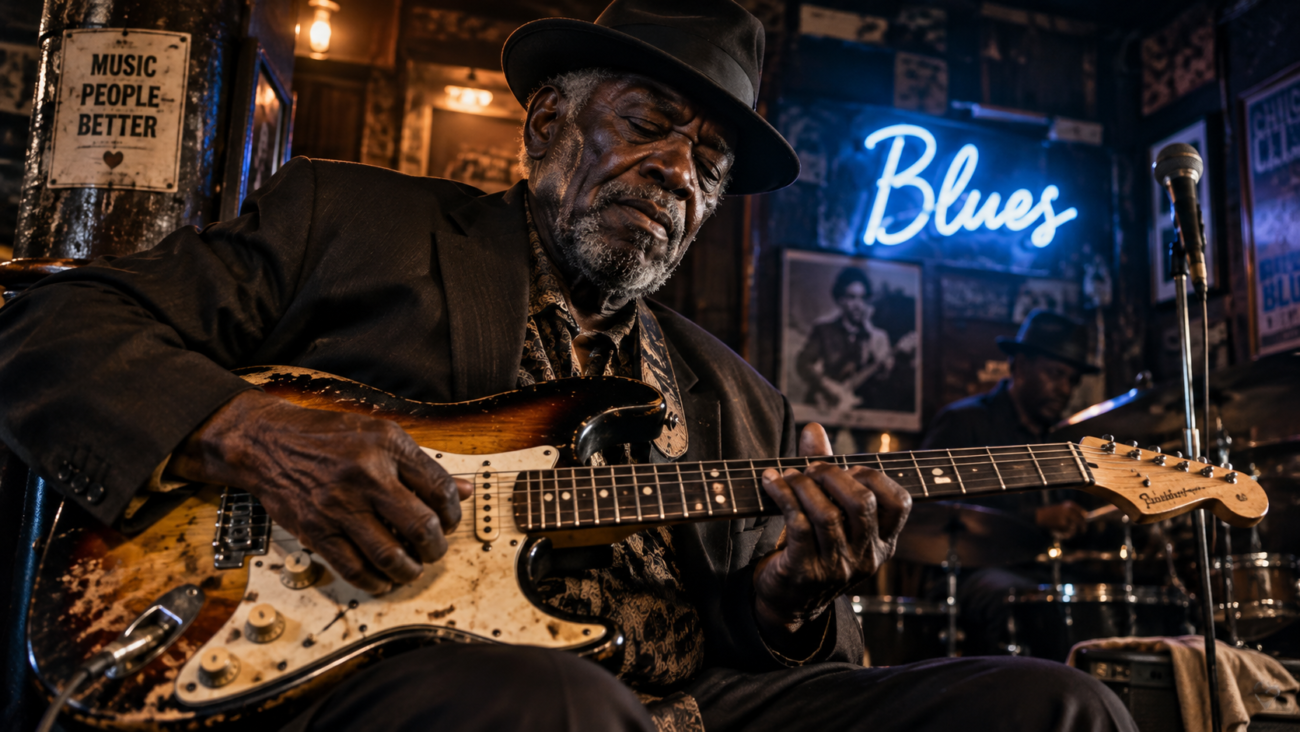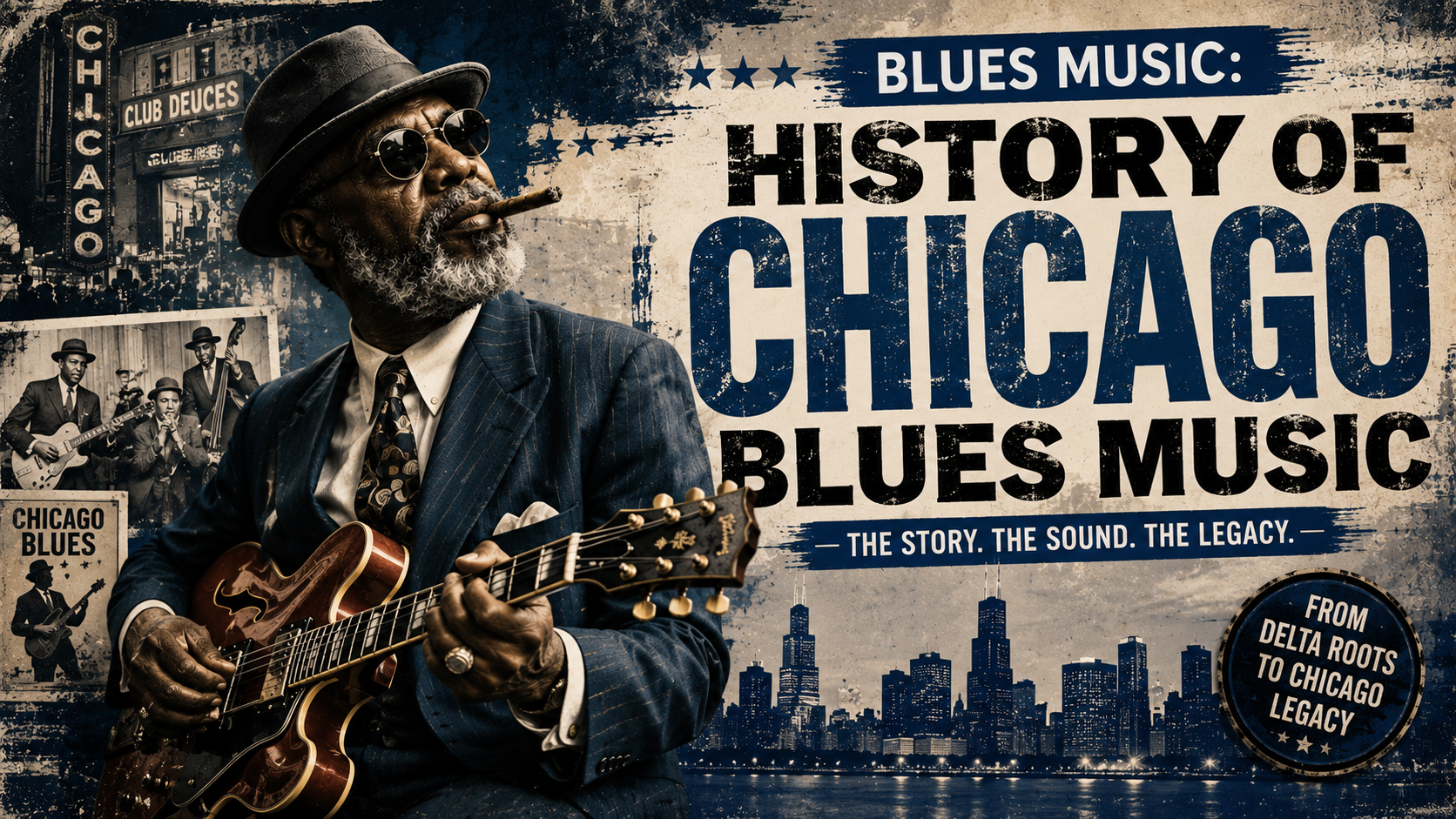

bluesmusica.com/: Few guitar styles are as instantly recognizable as Chicago Blues guitar. Warm tube amplifiers, expressive bends, soulful vibrato, and powerful shuffle rhythms helped create one of the most influential electric guitar sounds in music history.
From smoky clubs on Chicago's South Side to modern blues festivals around the world, Chicago Blues guitar continues to inspire professional musicians and beginners alike.
Whether you are learning blues guitar, searching for the perfect tone, or simply enjoying classic blues music, understanding the Chicago style is essential.
What Is Chicago Blues Guitar?
Chicago Blues guitar is the electric guitar style that grew alongside Chicago Blues during the twentieth century.
When blues musicians moved from the American South to Chicago, they adapted their music to louder clubs and larger audiences. Acoustic guitars gradually gave way to electric instruments, allowing players to project more volume while developing a richer and more expressive sound.
This transition helped establish Chicago as the center of modern electric blues.
The Sound of Chicago Blues Guitar
Unlike high-speed rock guitar, Chicago Blues focuses on emotion before technique.
Several characteristics define the style:
Warm tube amplifier tone
Expressive string bending
Wide vibrato
Minor pentatonic phrasing
Shuffle rhythm
Call-and-response guitar lines
Dynamic use of silence
Rather than filling every measure with notes, Chicago Blues guitar allows phrases to breathe.
Every bend has purpose.
Every pause creates anticipation.
Why Guitar Is the Heart of Chicago Blues
Although harmonica, bass, piano, and drums all play important roles, the electric guitar became the emotional voice of Chicago Blues.
A skilled blues guitarist can communicate joy, sorrow, tension, and release without singing a single word.
That emotional storytelling is what separates blues guitar from many other styles of electric guitar.
Essential Chicago Blues Guitar Techniques
String Bending
Bending a string raises its pitch, allowing the guitar to imitate the human voice.
It is one of the defining sounds of Chicago Blues.
Vibrato
Controlled vibrato adds emotion and personality to sustained notes.
Every guitarist develops a unique vibrato style.
Shuffle Rhythm
The classic shuffle groove gives Chicago Blues its unmistakable swing and movement.
Call and Response
One musical phrase answers another, creating a conversation between different guitar ideas or between guitar and other instruments.
Dynamics
Chicago Blues guitar is not always loud.
Knowing when to play softly can be just as powerful as playing aggressively.
Legendary Chicago Blues Guitar Players
Several musicians helped define the sound of Chicago Blues guitar.
Muddy Waters
His electric guitar transformed traditional Delta Blues into powerful urban blues.
Buddy Guy
Known for expressive solos, dramatic dynamics, and fearless improvisation.
Magic Sam
Helped shape the West Side Chicago Blues sound with melodic phrasing and smooth guitar lines.
Otis Rush
Famous for emotional string bends and deeply expressive lead guitar.
These players continue to influence blues musicians around the world.
Choosing the Right Chicago Blues Guitar Tone
A traditional Chicago Blues tone usually emphasizes warmth rather than extreme distortion.
Many players prefer:
Tube amplifiers
Low to medium gain
Strong midrange frequencies
Natural overdrive
Dynamic picking response
The goal is clarity and expression instead of excessive saturation.
Chicago Blues Guitar for Beginners
If you're new to blues guitar, start with:
Minor pentatonic scale
12-bar blues progression
Shuffle rhythm
Basic string bends
Simple call-and-response phrases
Mastering these fundamentals provides a strong foundation before moving into more advanced improvisation.
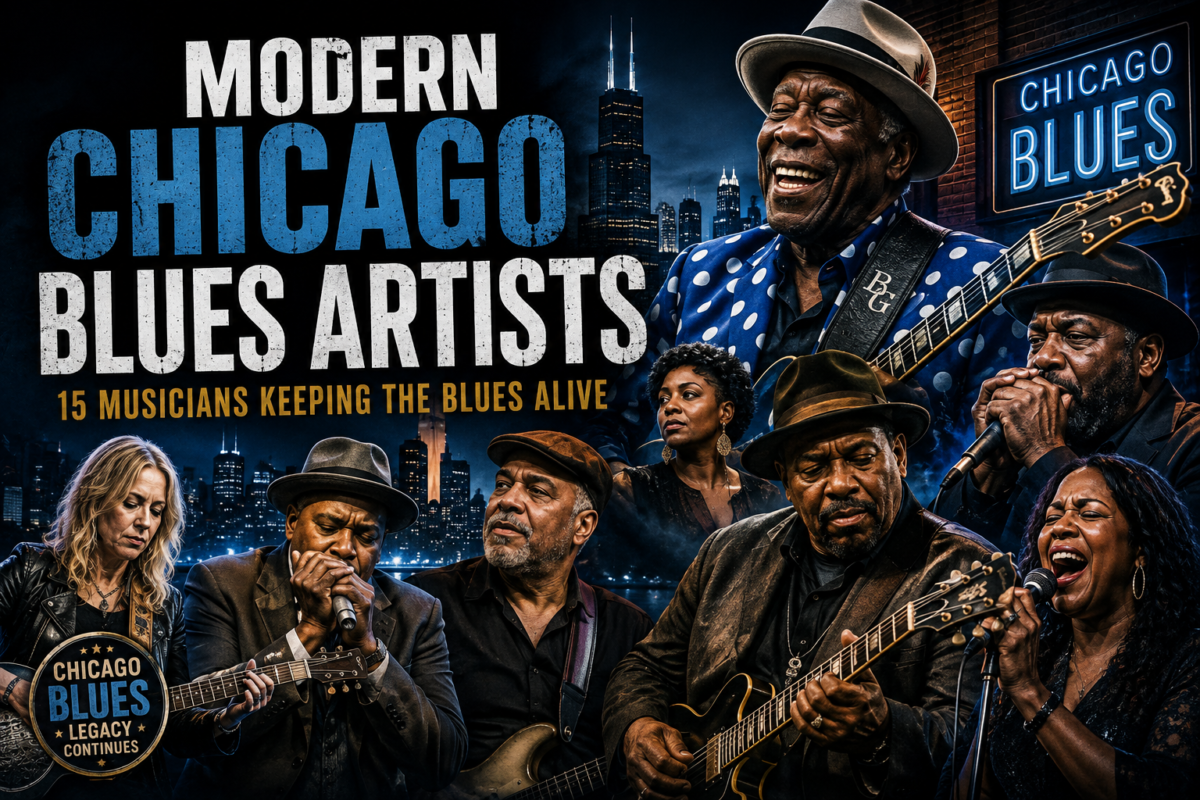
Modern Chicago Blues Guitar
Today's players continue expanding the tradition.
Some remain faithful to vintage tones, while others combine Chicago Blues with blues rock, soul, jazz, or modern production techniques.
Despite these changes, the expressive phrasing and emotional guitar language remain unmistakably rooted in Chicago Blues.
Listen to Original Chicago Blues
Experience original instrumental blues inspired by classic Chicago guitar traditions.
The collection explores expressive electric guitar across multiple blues styles, including Chicago Blues, Texas Blues, Delta Blues, British Blues, and DEBAGONG’s signature Blues With Human Whistling.
Continue Reading
Learn how Chicago Blues connects with other regional blues traditions:
👉 https://bluesmusica.com/blues-music-from-chicago-blues-to-texas-blues/
Final Thoughts
Chicago Blues guitar remains one of the greatest electric guitar traditions ever created.
Its emotional phrasing, warm tone, expressive bends, and timeless groove continue inspiring musicians across generations.
Whether you’re learning to play or simply love listening to great blues music, Chicago Blues guitar offers a perfect starting point for exploring the world of electric blues.
External Reference
For additional educational resources on blues history and preservation, visit the Blues Foundation.