Bluesmusic.us : West African Music- The Rhythms That Shaped Blues History

Long before blues emerged in the American South, the rich musical traditions of West Africa had already been flourishing for centuries. Through powerful rhythms, storytelling, and unique musical structures, West African Music laid an important cultural foundation that continues to influence blues, jazz, gospel, and many other genres today.
For anyone exploring the origins of blues, understanding West African Music provides valuable insight into one of the world’s greatest musical traditions.
What Is West African Music?
West African Music represents a diverse collection of musical traditions from countries including Mali, Senegal, Ghana, Guinea, Nigeria, Burkina Faso, and neighboring regions.
Although each country has its own unique style, many traditions share common musical characteristics:
- Complex rhythmic patterns
- Call-and-response vocals
- Traditional string instruments
- Hand percussion
- Oral storytelling
- Community participation
These musical elements have been preserved and celebrated for generations.
Rhythm at the Heart of African Music
Rhythm plays a central role in West African Music. Unlike many Western musical traditions, multiple rhythmic patterns often work together simultaneously, creating rich and dynamic musical textures.
This rhythmic approach later became one of the defining characteristics of blues and many other American musical styles.
Traditional Instruments
West African musicians perform with a wide variety of traditional instruments, including:
- Kora
- Ngoni
- Balafon
- Djembe
- Talking Drum
- Calabash percussion
These instruments contribute to the warm, organic sound that continues to inspire musicians around the world.
The Connection to Blues
Although blues developed into its own uniquely American genre, many historians and music scholars recognize the influence of West African musical traditions on its early evolution.
Expressive vocals, emotional storytelling, improvisation, and rhythmic complexity all remain important connections between these musical worlds.
Today, many listeners exploring African Blues discover familiar musical ideas that echo through both traditions.
Why West African Music Still Inspires Guitar Players
Modern guitarists often study West African rhythms and melodic phrasing to develop more expressive playing.
Rather than relying on technical complexity alone, these traditions emphasize groove, feeling, repetition, and musical conversation.
For blues musicians, this offers endless inspiration.
Conclusion
West African Music remains one of humanity’s richest musical traditions. Its rhythms, instruments, and storytelling continue to inspire artists across the globe while preserving centuries of cultural heritage.
Whether you are interested in African Blues, Desert Blues, or the history of blues itself, exploring West African Music is an essential step toward understanding the roots of modern guitar music.
Meta Description (155 karakter)
Discover West African Music, its rich rhythms, traditional instruments, and lasting influence on African Blues and the history of modern blues.
Internal Link
👉 Related Articles
- African Blues Music: Discover the Soul, History, and Guitar Traditions of Africa
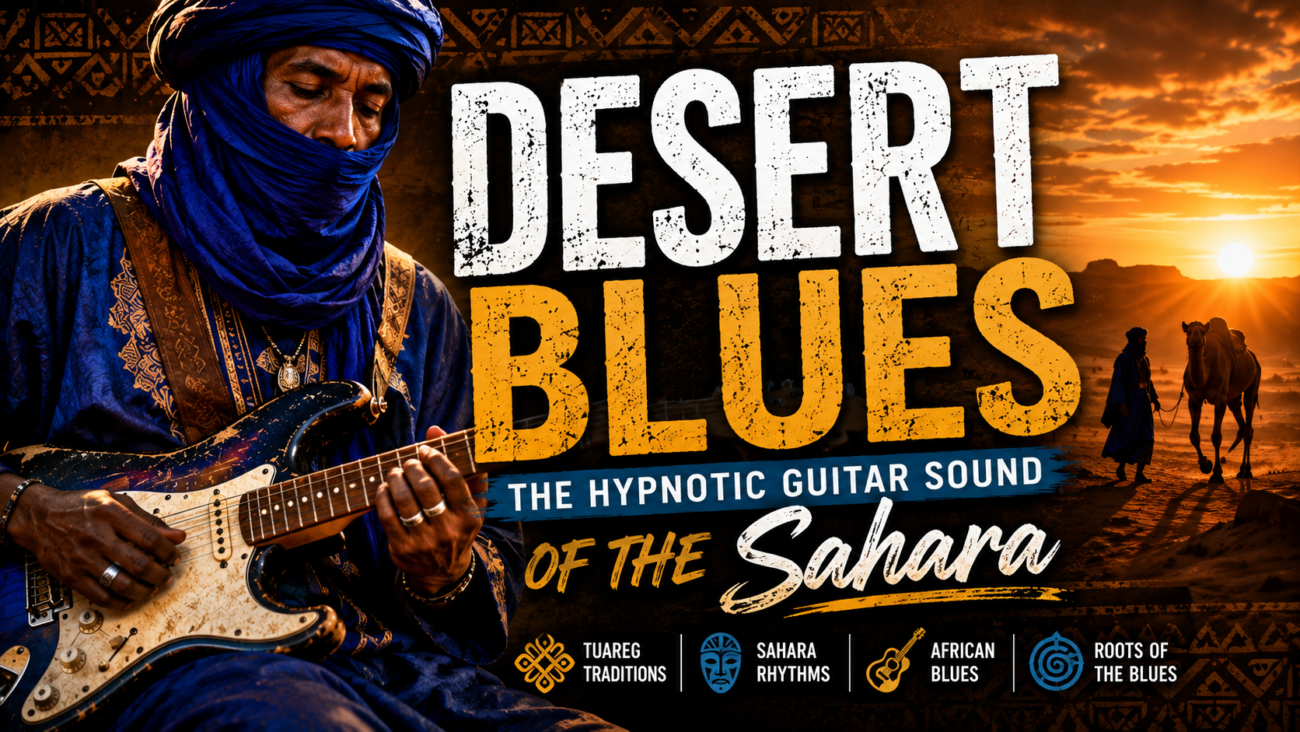
- Desert Blues: The Hypnotic Guitar Sound of the Sahara
- Tuareg Blues: The Nomadic Guitar Tradition of the Sahara
- Mali Blues: Why Mali Is Known as the Heart of African Guitar Music
External Link
👉 Learn about West African cultural heritage from the Smithsonian Center for Folklife & Cultural Heritage: