

Mali Blues: Why Mali Is Known as the Heart of African Guitar Music

When people talk about African Blues, one country is mentioned more than almost any other—Mali. Located in West Africa, Mali has become internationally recognized for its extraordinary guitar traditions, rich musical heritage, and lasting influence on blues music around the world.
Often referred to as the birthplace of Desert Blues, Mali has produced generations of musicians whose expressive guitar playing and storytelling continue to inspire audiences across continents.
The Rich Musical Heritage of Mali
Music is deeply woven into everyday life in Mali. For centuries, songs have preserved history, celebrated important events, and passed cultural traditions from one generation to the next.
Traditional rhythms, vocal storytelling, and string instruments laid the foundation for what later became known as Mali Blues.
Why Mali Blues Sounds Different
Unlike many Western blues styles, Mali Blues combines hypnotic rhythms with melodic guitar phrases that often repeat and evolve gradually.
Its signature characteristics include:
- Soulful electric guitar
- Traditional West African rhythms
- Emotional storytelling
- Relaxing melodic patterns
- Improvised guitar passages
- Organic acoustic textures
The result is a timeless sound that feels both ancient and contemporary.
Mali’s Influence on African Blues
Many music lovers consider Mali one of the most important countries in African guitar music. The nation’s musical traditions have helped shape the global appreciation of Desert Blues and inspired countless musicians exploring African rhythms and blues guitar.
Today, Mali Blues continues to reach new audiences through recordings, festivals, and online platforms, introducing listeners to one of Africa’s richest musical traditions.
Why Guitar Enthusiasts Love Mali Blues
For guitar players, Mali Blues offers valuable lessons in phrasing, rhythm, and musical expression.
Instead of focusing on speed, the music emphasizes feeling, space, and subtle improvisation—qualities that have influenced blues musicians worldwide.
Final Thoughts
Mali Blues is more than a regional music style. It represents centuries of culture, creativity, and storytelling expressed through unforgettable guitar melodies.
Whether you are discovering African Blues for the first time or expanding your musical knowledge, Mali Blues is an essential part of the journey
Internal Link
👉 Related Article:
Desert Blues: The Hypnotic Guitar Sound of the Saharahttps://www.bluesmusic.us/desert-blues
External Link
👉 Learn more about Mali’s musical heritage from UNESCO:
https://ich.unesco.org/

BB KING live blues
Related Posts

Bluesmusic.us : West African Music- The Rhythms That Shaped Blues History

Mali Blues: Why Mali Is Known as the Heart of African Guitar Music
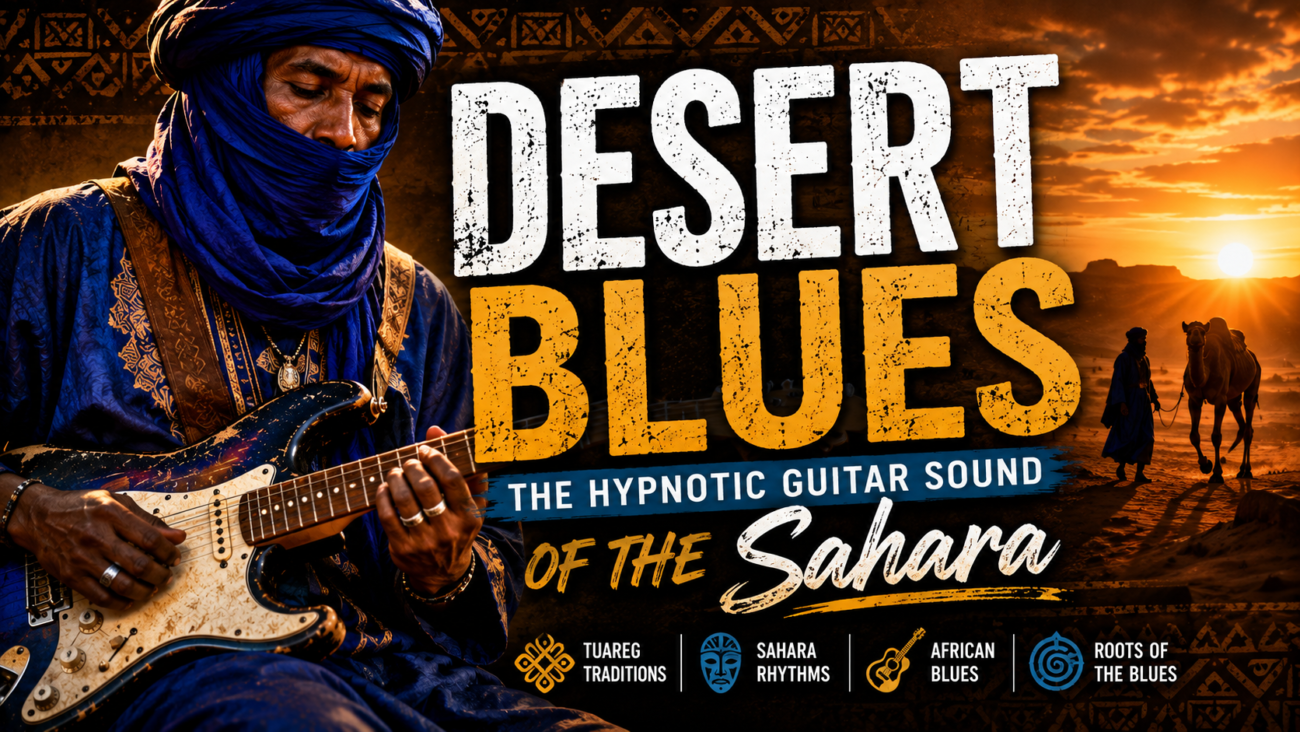
Desert Blues: The Hypnotic Guitar Sound of the Sahara
Desert Blues: The Hypnotic Guitar Sound of the Sahara
When people talk about African Blues, one country is mentioned more than almost any other—Mali. Located in West Africa, Mali has become internationally recognized for its extraordinary guitar traditions, rich musical heritage, and lasting influence on blues music around the world.
Often referred to as the birthplace of Desert Blues, Mali has produced generations of musicians whose expressive guitar playing and storytelling continue to inspire audiences across continents.
The Rich Musical Heritage of Mali
Music is deeply woven into everyday life in Mali. For centuries, songs have preserved history, celebrated important events, and passed cultural traditions from one generation to the next.
Traditional rhythms, vocal storytelling, and string instruments laid the foundation for what later became known as Mali Blues.
Why Mali Blues Sounds Different
Unlike many Western blues styles, Mali Blues combines hypnotic rhythms with melodic guitar phrases that often repeat and evolve gradually.
Its signature characteristics include:
- Soulful electric guitar
- Traditional West African rhythms
- Emotional storytelling
- Relaxing melodic patterns
- Improvised guitar passages
- Organic acoustic textures
The result is a timeless sound that feels both ancient and contemporary.
Mali’s Influence on African Blues
Many music lovers consider Mali one of the most important countries in African guitar music. The nation’s musical traditions have helped shape the global appreciation of Desert Blues and inspired countless musicians exploring African rhythms and blues guitar.
Today, Mali Blues continues to reach new audiences through recordings, festivals, and online platforms, introducing listeners to one of Africa’s richest musical traditions.
Why Guitar Enthusiasts Love Mali Blues
For guitar players, Mali Blues offers valuable lessons in phrasing, rhythm, and musical expression.
Instead of focusing on speed, the music emphasizes feeling, space, and subtle improvisation—qualities that have influenced blues musicians worldwide.
Final Thoughts
Mali Blues is more than a regional music style. It represents centuries of culture, creativity, and storytelling expressed through unforgettable guitar melodies.
Whether you are discovering African Blues for the first time or expanding your musical knowledge, Mali Blues is an essential part of the journey
Internal Link
👉 Related Article:
Desert Blues: The Hypnotic Guitar Sound of the Saharahttps://www.bluesmusic.us/desert-blues
External Link
👉 Learn more about Mali’s musical heritage from UNESCO:
https://ich.unesco.org/
BB KING live blues