
African blues artists have played an important role in shaping one of the world’s most powerful and emotional musical traditions. Long before the blues became internationally associated with the Mississippi Delta, Chicago, and legendary American guitar players, many of its rhythmic and melodic roots could be heard across West Africa.
Today, African blues continues to attract listeners around the world through hypnotic guitar rhythms, desert-inspired melodies, traditional instruments, and powerful storytelling. From the legendary sounds of Mali to the modern desert blues movement, African musicians continue to create music that connects tradition with contemporary blues and rock.
For blues fans looking beyond American and British blues, discovering African blues artists opens the door to a completely different musical landscape—one filled with deep grooves, repeating guitar patterns, raw emotion, and the unmistakable atmosphere of the Sahara.
The Deep Roots of African Blues Music
The relationship between African music and the blues is one of the most fascinating stories in music history. West African musical traditions have long featured call-and-response vocals, complex rhythms, improvisation, and expressive storytelling. These elements later became important characteristics of blues music as it developed in the United States.
Mali has become one of the most important centers of African blues. Musicians from the country have developed distinctive guitar styles that combine traditional rhythms with melodic structures that many modern listeners immediately recognize as blues-like.
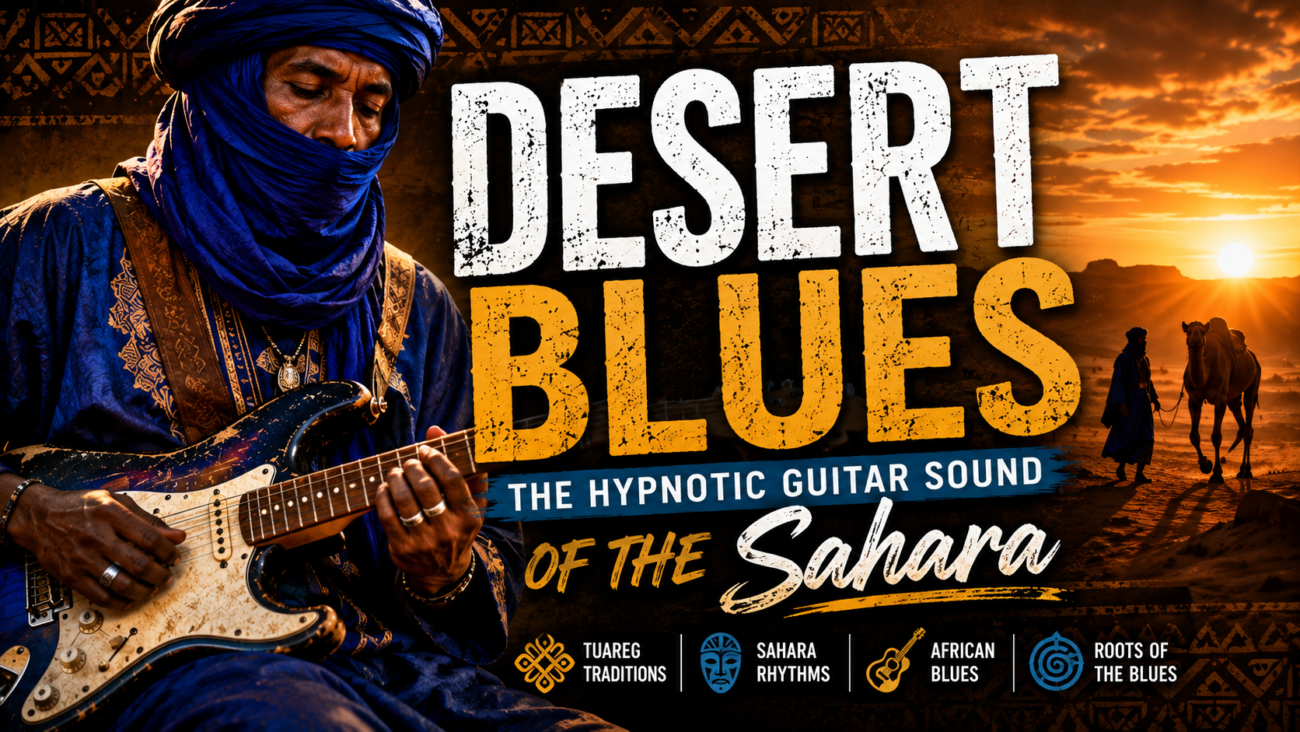
In particular, the sound often described as desert blues has become internationally popular. This style combines traditional African music with electric guitars, hypnotic rhythms, and influences that can range from American blues to rock music.
Ali Farka Touré: A Legend of African Blues
When discussing the greatest African blues artists, Ali Farka Touré is one of the first names that deserves attention. The Malian guitarist and singer became internationally recognized for a distinctive style that combined traditional Malian music with guitar-driven rhythms often compared with the blues.
His music is built around repetition, subtle rhythmic changes, expressive vocals, and guitar phrases that can feel both ancient and modern. Rather than simply copying American blues, Ali Farka Touré created a sound deeply connected to the musical traditions of his homeland.
His influence can still be heard across the modern African blues scene. For many guitarists and blues listeners, his recordings represent an essential connection between African musical traditions and the global evolution of blues music.
Official information about the artist and his musical legacy can be found through the [Ali Farka Touré official website](https://www.alifarkatoure.com/?utm_source=chatgpt.com).
Tinariwen and the Rise of Desert Blues
Tinariwen helped introduce the powerful sound of Tuareg desert blues to an international audience. Their music combines electric guitars with traditional Tuareg musical influences and songs that reflect life, identity, exile, hope, and the desert.
The group’s sound is immediately recognizable. Multiple guitars often create hypnotic layers while the rhythm moves forward with a steady, almost trance-like energy. Their style has influenced many modern bands exploring the connection between African music, blues, psychedelic rock, and alternative music.
Tinariwen’s history is closely connected to the musical traditions of the Sahara and to the influence of Malian musicians including Ali Farka Touré. Over the years, the group has become one of the most internationally recognized names associated with modern African and desert blues.
Vieux Farka Touré and Modern African Blues Guitar
Vieux Farka Touré represents a new generation of African blues artists while continuing the musical legacy associated with his father, Ali Farka Touré. His approach combines traditional Malian influences with electric guitar, rock energy, blues, funk, and other contemporary sounds.
His guitar playing is often fast, melodic, and highly expressive. Instead of remaining strictly within traditional forms, Vieux Farka Touré has expanded his sound through international collaborations and modern production while maintaining a strong connection to the musical traditions of Mali.
His work demonstrates how African blues continues to evolve. The desert blues tradition is not frozen in the past—it continues to develop as younger musicians bring new influences and new audiences to the genre.
Other Important African Blues Artists to Explore
The world of African blues is much larger than a few famous names. Many musicians have developed their own interpretations of the genre by combining local traditions with guitar-driven blues influences.
Boubacar Traoré
Boubacar Traoré is another important figure in Malian blues. His music combines expressive vocals with intricate guitar playing and traditional musical influences. His songs often carry a deeply emotional quality, making his work especially appealing to listeners who enjoy acoustic blues and intimate performances.
Songhoy Blues
Songhoy Blues brought a more energetic and rock-oriented approach to the modern African blues scene. Their music combines traditional Malian influences with electric guitars and powerful rhythms, creating a sound that connects African music with contemporary blues rock.
Habib Koité
Habib Koité is known for his distinctive guitar style and his ability to blend traditional Malian music with modern arrangements. His approach demonstrates the diversity of African guitar music and its connection to blues, folk, and world music.
Why African Blues Sounds So Different
One reason African blues music feels so unique is its relationship with rhythm. In many African blues styles, rhythm is not simply a background element. Guitar patterns, percussion, vocals, and traditional instruments often work together to create a repeating groove that can slowly develop over time.
This creates a hypnotic listening experience. Instead of relying on dramatic chord changes, many African blues artists build tension through repetition, subtle melodic variation, and changes in rhythm.
The result can feel raw, spiritual, and deeply atmospheric. A single guitar phrase may repeat for several minutes while gradually changing in intensity, creating a powerful emotional effect without needing complicated arrangements.
African Blues and Modern Blues Rock
Modern blues rock fans are increasingly discovering African blues because the connection between the two styles feels natural. Electric guitar, improvisation, powerful rhythm, and emotional expression are important elements in both genres.
However, African blues brings a different musical vocabulary. The rhythms, scales, vocal approaches, and traditional influences create sounds that cannot be fully reproduced by simply playing American blues with an African theme.
For listeners who enjoy modern blues music, African blues can be an exciting way to discover new guitar sounds and musical traditions. The genre also offers inspiration for musicians interested in combining blues with rock, folk, psychedelic music, and world music.
The Future of African Blues Artists
The future of African blues looks increasingly diverse. New musicians continue to experiment with electric guitar, modern production, rock influences, electronic textures, and traditional African instruments.
At the same time, the most successful artists remain connected to the cultural traditions that give African blues its identity. This balance between innovation and tradition is one of the reasons the genre continues to grow internationally.
Streaming platforms and YouTube have also made it easier for listeners around the world to discover African blues artists. A fan who begins by listening to Ali Farka Touré may quickly discover Tinariwen, Vieux Farka Touré, Songhoy Blues, and many other musicians from across Africa.
Discover More African Blues Music
If you are interested in exploring deeper guitar-driven sounds, African blues offers an incredible collection of artists and styles. From the acoustic traditions of Mali to the electric energy of modern desert blues bands, there is always something new to discover.
Start with the legendary musicians, then explore the newer generation. Listen carefully to the guitar rhythms, the spaces between the notes, and the connection between voice and rhythm. African blues is not only about guitar solos—it is about atmosphere, storytelling, rhythm, and cultural memory.
For more blues-inspired music, guitar-driven tracks, and modern blues discoveries, explore more content at BluesMusica.com.
Final Thoughts
African blues artists have created some of the most distinctive guitar music in the world. From the legendary Ali Farka Touré to the desert sounds of Tinariwen and the modern guitar style of Vieux Farka Touré, African blues continues to connect generations of musicians and listeners.
Whether you are a longtime blues fan or someone discovering the genre for the first time, African blues offers a powerful musical journey. Its rhythms carry history, its guitars create unforgettable melodies, and its artists continue to prove that the spirit of the blues has many different voices.
African blues artists