

The Evolution of Blues Festivals in America
Blues festivals have become a vital part of preserving and celebrating American music culture. From small local gatherings to large international events, these festivals provide a platform for musicians to share authentic performances and for audiences to experience the soul of blues.
Roots of Blues Festivals
The earliest blues festivals started as community events. Local musicians would gather in small towns to play for neighbors and friends. These gatherings allowed blues to thrive outside the traditional clubs and recording studios, keeping the music alive within its cultural context.
Over time, festivals grew in scale. Cities like Chicago, Memphis, and New Orleans became iconic hubs for blues celebrations. These urban events brought together regional musicians and introduced audiences to diverse blues styles.
Preserving Culture Through Live Performance
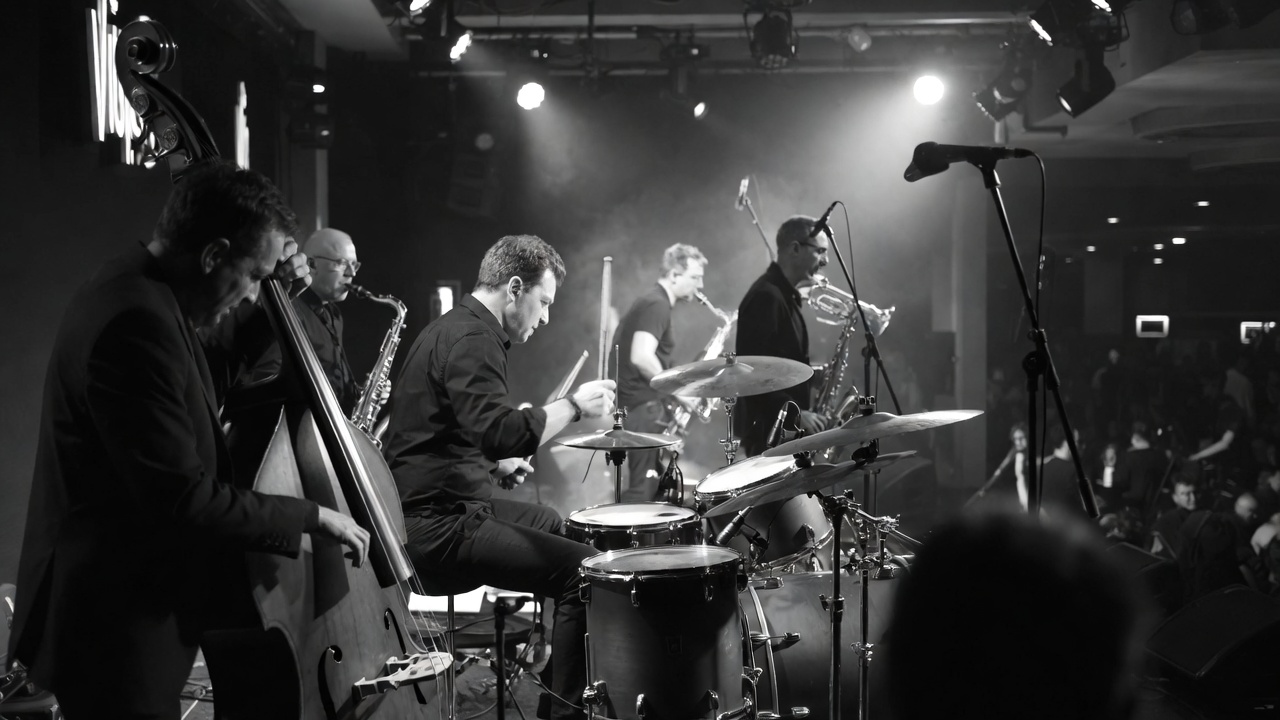
Festivals capture the essence of blues. Unlike studio recordings, live performances allow audiences to feel the energy, emotion, and improvisation that define the genre. This makes festivals both entertaining and educational, as viewers witness musicians conveying emotion through every note.
Documenting festivals through video and photography helps preserve these performances for future generations. Institutions such as the Smithsonian National Museum of African American History archive recordings and materials that highlight the historical importance of blues festivals.
Connecting Generations
Blues festivals bridge the gap between older and younger generations. Fans can see legendary performers alongside emerging artists. This exposure allows new audiences to connect with traditional blues while discovering modern interpretations.
Many festivals also offer workshops, panel discussions, and educational programs. Organizations like the Blues Foundation support these initiatives, promoting skill development and historical awareness.
Modern Blues Festivals
Today, blues festivals attract thousands of fans worldwide. Events like the Chicago Blues Festival or the King Biscuit Blues Festival celebrate both music and culture. Performers often mix traditional techniques with contemporary styles, keeping the genre relevant without losing authenticity.
Festivals also encourage community engagement. Local businesses, volunteers, and sponsors help create an environment where culture and commerce coexist. This strengthens the role of blues as a living tradition.
Economic and Cultural Impact
Blues festivals contribute to local economies through tourism, hospitality, and merchandising. They also help preserve cultural identity by celebrating regional musical heritage. Cities hosting festivals gain recognition as cultural hubs, drawing both musicians and fans from around the world.
Conclusion
Blues festivals are more than concerts; they are living classrooms, cultural gatherings, and celebrations of American musical heritage. By showcasing live performances, connecting generations, and supporting musicians, these festivals keep blues alive.
At bluesmusica.com/, we document festivals through curated articles and video storytelling. Our goal is to highlight authentic performances, preserve cultural history, and share the emotion of blues with fans worldwide.
Internal Links
- Link ke artikel sebelumnya: The Living Legacy of American Blues Music
- Link ke artikel #3: How Blues Guitar Shaped American Music
External / Outbound Links
Channel Blues