
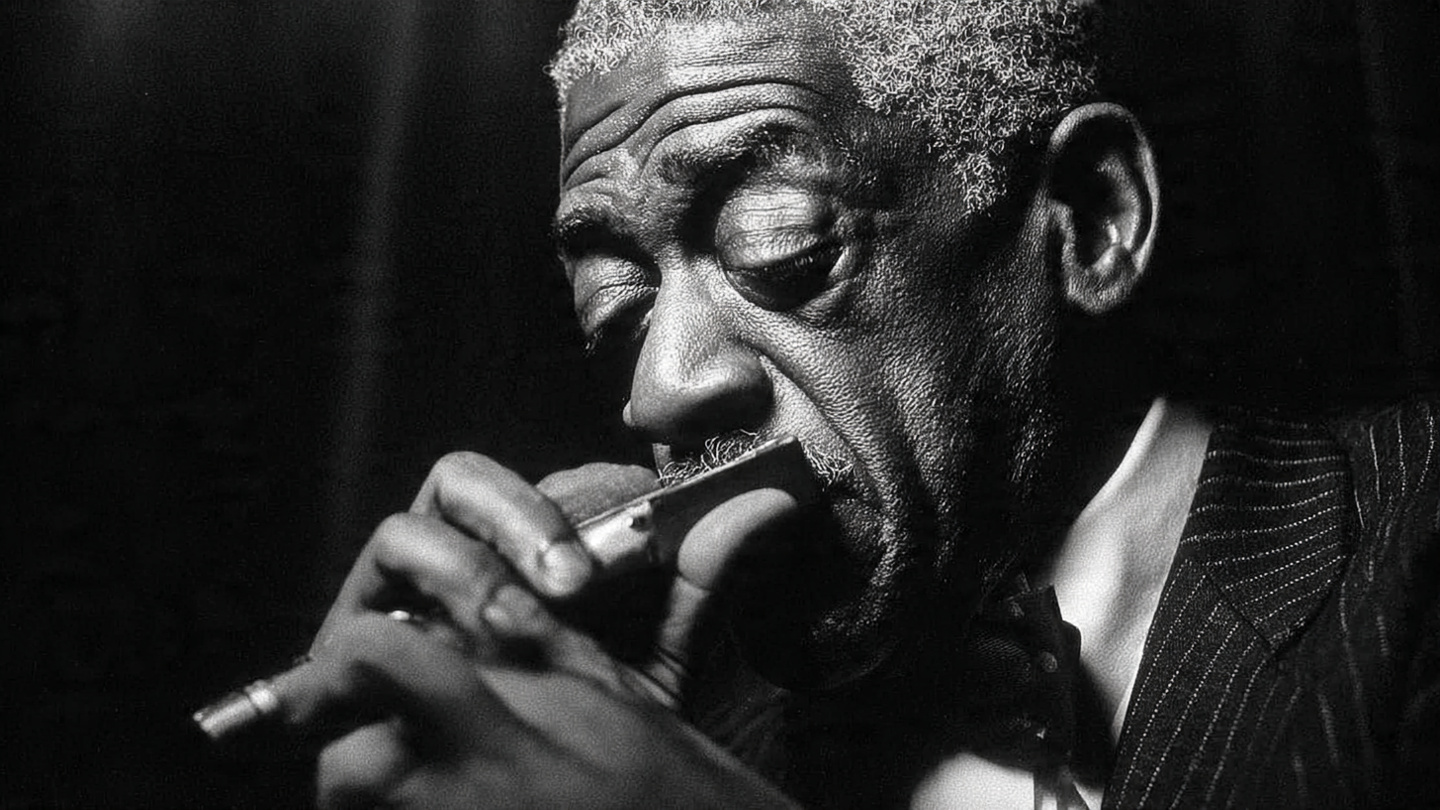

Sonny Boy Williamson is widely regarded as one of the most influential harmonica players in the history of blues music. His distinctive tone, sharp lyrical wit, and commanding stage presence helped define the role of the harmonica as a lead instrument in blues, inspiring generations of musicians across blues, rock, and beyond.
Born Aleck Miller in Mississippi, Sonny Boy Williamson emerged from the rural Southern blues tradition, absorbing the sounds of field hollers, spirituals, and early Delta blues. These influences shaped his raw yet expressive playing style, which later became a blueprint for modern blues harmonica.
During the 1930s and 1940s, Sonny Boy gained regional fame through radio broadcasts on the popular King Biscuit Time program, where his voice and harmonica reached thousands of listeners across the American South. This exposure helped turn him into a household name among blues fans long before national record distribution became common.
Musically, Sonny Boy Williamson was known for his mastery of tone control, rhythmic phrasing, and expressive bends. Unlike many players who used the harmonica mainly as accompaniment, he treated it as a vocal instrument—capable of telling stories, expressing humor, and delivering emotional depth. His songs often featured clever wordplay, confident swagger, and sharp observations about everyday life.
In the 1950s and 1960s, Sonny Boy recorded extensively, producing a catalog of blues standards that remain essential listening today. Tracks such as Help Me, Eyesight to the Blind, and Bring It On Home became cornerstones of electric blues and influenced artists far beyond the blues scene. Many of his recordings showcased tight band arrangements that highlighted the harmonica as the centerpiece of the music.
Sonny Boy Williamson’s later career included successful tours in Europe, where he performed alongside emerging British blues musicians. These collaborations played a key role in the blues revival of the 1960s, directly influencing the development of blues-rock. Artists from both sides of the Atlantic studied his phrasing, stagecraft, and songwriting approach.
Beyond technique, Sonny Boy’s legacy lies in his attitude and authenticity. His music carried confidence, humor, and emotional honesty—qualities that define true blues expression. He demonstrated that the harmonica could stand shoulder to shoulder with the guitar as a lead blues instrument, changing the course of blues history.
Today, Sonny Boy Williamson is remembered not only as a harmonica pioneer but as a cultural bridge between traditional rural blues and modern electric blues. His influence continues to resonate in contemporary blues, rock, and roots music, securing his place among the greatest blues musicians of all time.
🔗 SUPPORT LIVE BLUES MUSIC
To experience live blues performances and support the blues community,
subscribe to the Debagong Blues Channel:
https://www.youtube.com/channel/UCeX94ar3Ojf6UPTzKXOCwjQ?sub_confirmation=1