
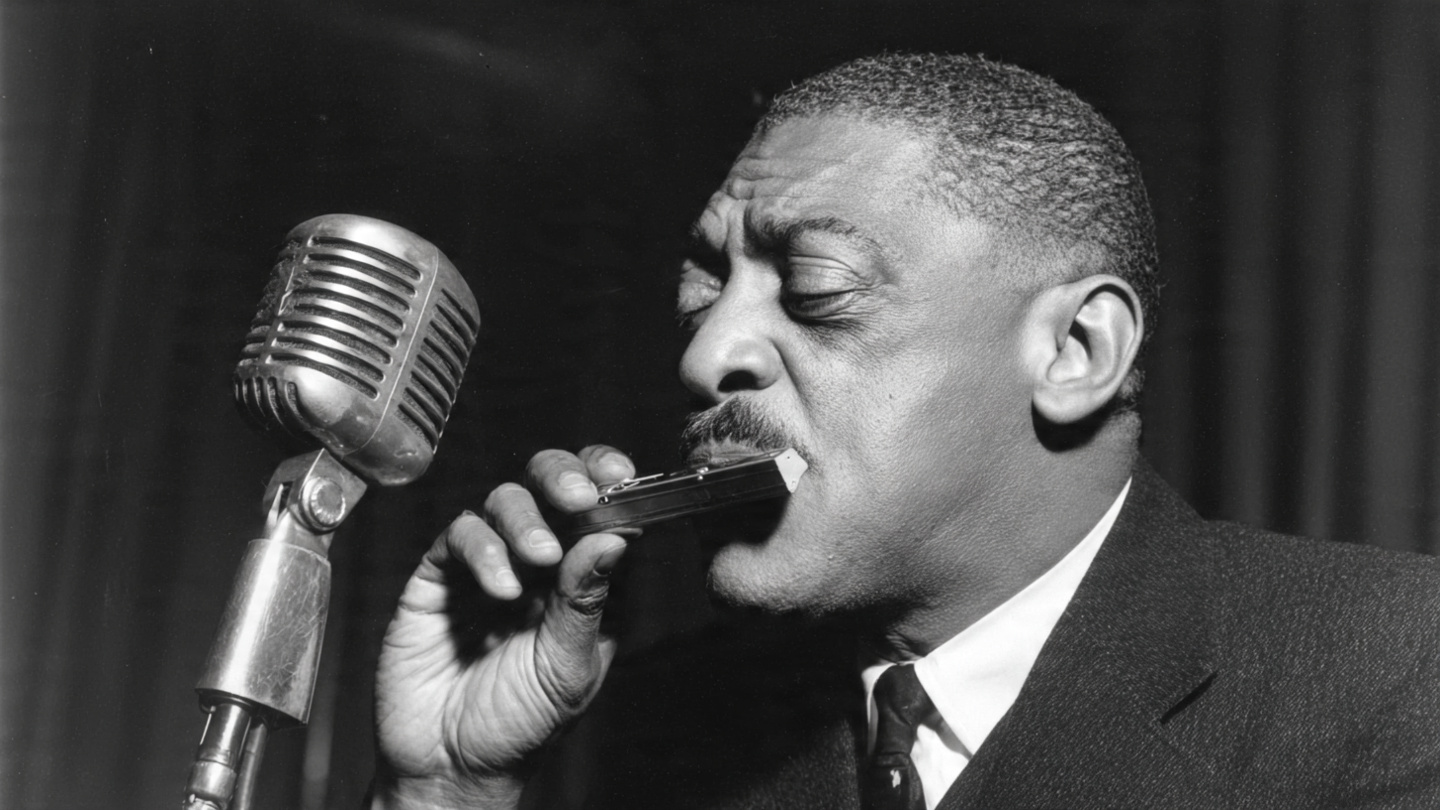

Sonny Boy Williamson II stands as one of the most influential harmonica players in blues history. His expressive tone, clever lyrics, and commanding presence helped establish the harmonica as a lead instrument in modern blues.
Born Aleck “Rice” Miller around 1912 in Mississippi, Sonny Boy Williamson II built his reputation through radio, live performances, and recordings that captured the spirit of post-war blues. His identity became legendary, even surrounded by mystery and myth, which only added to his appeal.
Early Life and Delta Foundations
Growing up in the Mississippi Delta, Sonny Boy Williamson II absorbed the sounds of rural blues traditions. He learned to captivate audiences through storytelling, humor, and a strong musical personality.
Like many early blues artists, he relied on simple, accessible instruments. This internal article explains the tools commonly used by early blues musicians:
👉 https://bluesmusica.com/what-instrument-would-rural-blues-musicians-most-often-use/
The harmonica became his voice—portable, expressive, and perfectly suited to juke joints and radio shows.
Radio Fame and Rise to Stardom
Sonny Boy Williamson II gained major recognition through the radio program King Biscuit Time, broadcast from Helena, Arkansas. His daily performances brought blues music into homes across the South and helped popularize the genre.
The radio exposure turned him into a regional star and influenced countless musicians who heard blues for the first time through his voice and harmonica.
Harmonica Style and Innovation
Sonny Boy Williamson II transformed harmonica playing by treating it like a vocal instrument. His use of bends, vibrato, and rhythmic phrasing created a conversational sound that felt deeply human.
His harmonica lines often mirrored his singing, creating a call-and-response effect that became a standard in blues performance.
Influence on Blues and British Rock
During the 1960s, Sonny Boy Williamson II toured Europe and collaborated with emerging British musicians. Artists from bands like The Yardbirds and The Animals were heavily influenced by his style and stage presence.
This cross-continental influence helped shape the blues-rock movement, further explored in this internal article:
👉 https://bluesmusica.com/blues-influences-in-contemporary-rock-music/
Recognition and Legacy
Sonny Boy Williamson II recorded many classic tracks, including Help Me, Eyesight to the Blind, and Bring It On Home. His recordings remain essential listening for anyone studying blues harmonica.
Cultural institutions such as the Smithsonian National Museum of African American History and Culture recognize the importance of blues pioneers like Sonny Boy Williamson II in preserving African-American musical heritage:
👉 https://nmaahc.si.edu/
Why Sonny Boy Williamson II Still Matters
Sonny Boy Williamson II matters because he gave the harmonica a voice that could lead a band, tell a story, and move an audience. His influence continues in blues, rock, and roots music worldwide.
His sound remains timeless—raw, playful, and deeply expressive.
🎥 Blues Live Performance
Experience the living spirit of blues through this live performance:


