
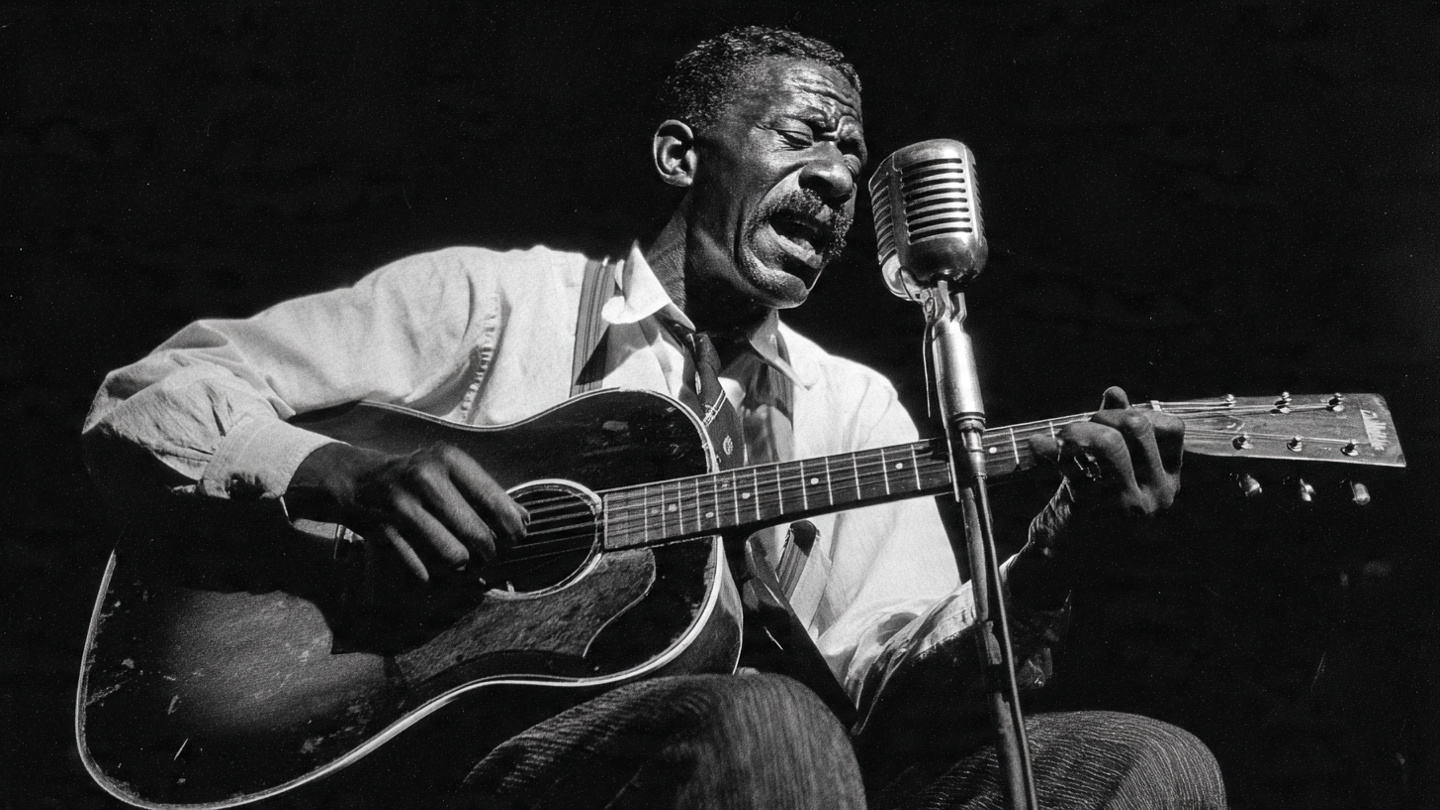
Son House The Spiritual Fire That Defined Delta Blues

Son House stands as one of the most powerful and emotionally intense figures in the history of blues music. His voice, guitar playing, and spiritual conviction defined what would later be known as Delta blues. More than an entertainer, Son House was a preacher of pain, redemption, and human struggle through music.
Born Eddie James House Jr. on March 21, 1902, in Riverton, Mississippi, Son House grew up surrounded by church music and rural Southern traditions. His early exposure to gospel preaching deeply influenced his vocal delivery and lyrical themes, which later became hallmarks of his blues style.
From the Church to the Blues
Son House originally opposed blues music, believing it conflicted with religious values. However, after moving to the Mississippi Delta, he was drawn to the expressive power of the blues. When he finally embraced it, he brought with him the intensity of a preacher and the raw honesty of lived experience.
Unlike polished performers, Son House delivered music that felt urgent and uncompromising. His songs often explored sin, redemption, suffering, and death—topics deeply rooted in both blues and gospel traditions.
Slide Guitar and Delta Blues Style
Son House was a master of bottleneck slide guitar, a defining sound of Delta blues. His playing emphasized rhythm and emotional weight rather than technical complexity. Each note felt deliberate, heavy, and full of meaning.
This style was shaped by the simple instruments available to rural musicians of the time. For deeper understanding, this internal article explains the tools that shaped early blues sounds:
👉 https://bluesmusica.com/what-instrument-would-rural-blues-musicians-most-often-use/
Son House’s guitar work influenced countless musicians, including Robert Johnson, whom he personally mentored.
Recording and Early Career
Son House recorded some of his most influential tracks in the early 1930s, including Death Letter, Preachin’ the Blues, and My Black Mama. These recordings captured the raw essence of Delta blues at a time when the genre was still undocumented.
Despite his talent, Son House faded into obscurity for many years, working outside the music industry and believing his musical career was over.
Rediscovery and Blues Revival
In the 1960s, during the American folk and blues revival, Son House was rediscovered by young music historians. His return to the stage introduced a new generation to authentic Delta blues.
Son House performed at major festivals and influenced countless modern artists who were seeking the roots of blues music. His authenticity stood in stark contrast to commercialized interpretations of the genre.
Institutions like the Smithsonian National Museum of African American History and Culture recognize Son House’s role in preserving African-American musical heritage:
👉 https://nmaahc.si.edu/
Influence on Modern Music
Son House’s influence extends far beyond traditional blues. Artists such as Muddy Waters, John Lee Hooker, and later blues-rock musicians drew inspiration from his vocal power and emotional delivery.
His approach to music emphasized truth over perfection, a philosophy that continues to resonate in modern blues and rock music. This connection is further explored in this internal article:
👉 https://bluesmusica.com/blues-influences-in-contemporary-rock-music/
Why Son House Still Matters
Son House matters because he represents the soul of the blues at its most honest. His music does not entertain—it testifies. Every performance feels like a confession, making his work timeless and deeply human.
Through Son House, the Delta blues tradition lives on as a powerful reminder that music can be both spiritual and brutally real.
🎥 Blues Live Performance
Experience the living spirit of blues through this live performance:


