
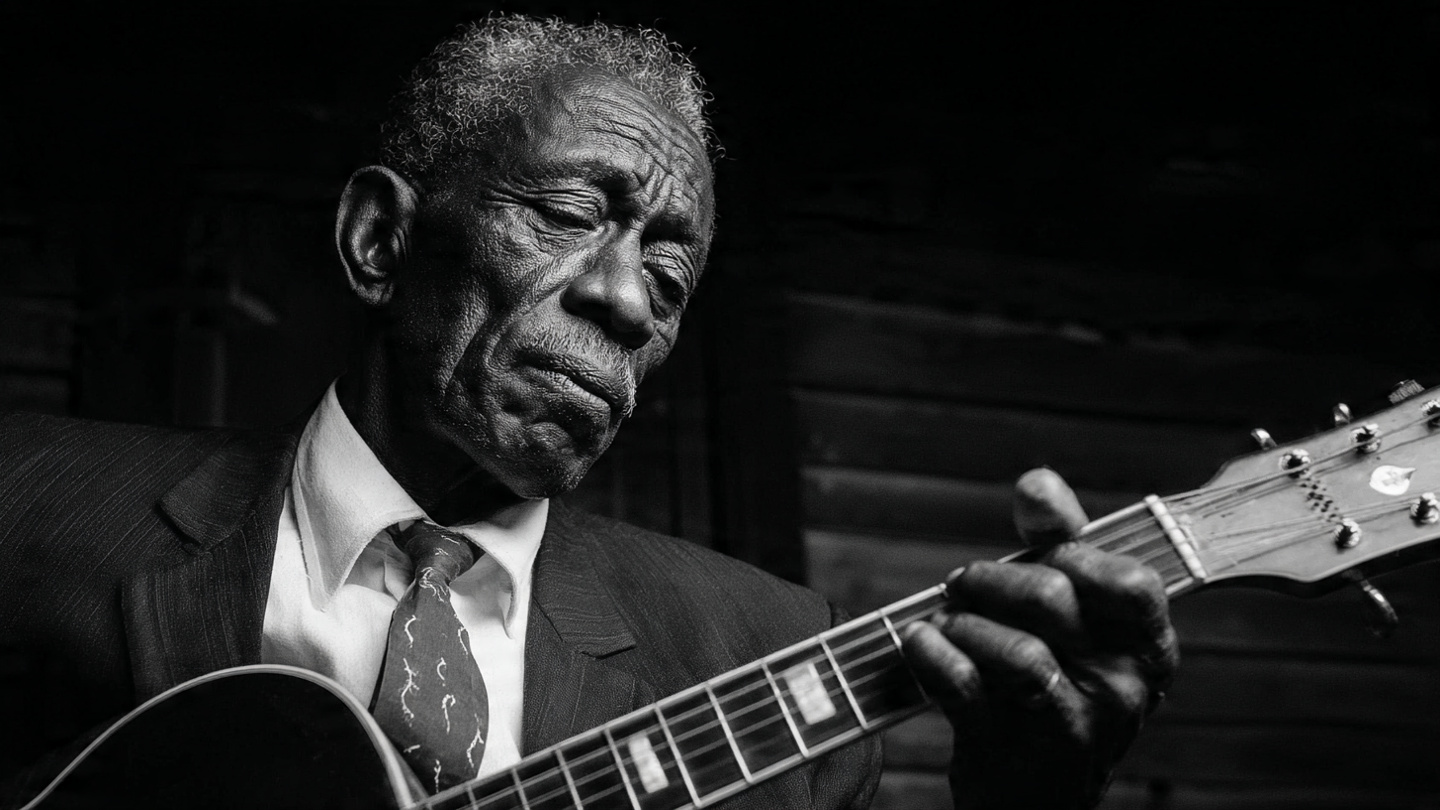

Son House was one of the most powerful and emotionally intense figures in Delta blues history. His music blended deep spiritual conviction with raw human emotion, creating a sound that felt both sacred and worldly at the same time.
Born Eddie James House Jr. on March 21, 1902, in Mississippi, Son House began his life as a preacher before fully committing to blues music. This dual background deeply influenced his vocal style and lyrical themes.
Early Life and Delta Roots
Son House grew up in the heart of the Mississippi Delta, a region that shaped the foundations of blues music. His early exposure to church preaching gave him a commanding voice, while rural life exposed him to the hardships that blues often expressed.
Like many early blues musicians, he learned through experience rather than formal instruction. The instruments commonly used by rural blues players are explained in this internal article:
👉 https://bluesmusica.com/what-instrument-would-rural-blues-musicians-most-often-use/
These roots formed the emotional core of Son House’s music.
Slide Guitar and Vocal Power
Son House was known for his aggressive slide guitar technique and emotionally charged vocals. His guitar playing was rhythmic and percussive, often serving as a driving force rather than a decorative element.
His voice carried urgency, pain, and conviction. He sang blues as if delivering a sermon, demanding attention and emotional response from listeners.
Conflict Between Sacred and Secular
One of the defining aspects of Son House’s music was the tension between religion and blues. He openly struggled with whether blues music was morally acceptable, a conflict that mirrored wider beliefs in Southern communities.
This tension contributed to the myth that blues music was sinful or evil, a topic explored further in this internal article:
👉 https://bluesmusica.com/is-blues-music-evil-instruments-venues-and-myths-explained/
Son House’s music made this inner conflict audible and real.
Influence on Blues Legends
Son House directly influenced some of the most important figures in blues history, including Robert Johnson and Muddy Waters. His raw approach shaped the emotional intensity that became central to Delta blues.
Later generations of musicians rediscovered Son House during the blues revival of the 1960s, recognizing his importance in shaping authentic blues expression.
Rediscovery and Later Recognition
After years away from music, Son House was rediscovered by blues researchers in the 1960s. He returned to performing and recording, gaining international recognition late in life.
His later performances showed that emotional truth in blues never fades with time.
Cultural Recognition and Legacy
Son House is widely regarded as a foundational figure in Delta blues. His music represents the emotional and spiritual struggle at the heart of blues tradition.
Institutions such as the Smithsonian National Museum of African American History and Culture recognize the importance of blues pioneers like Son House in preserving African-American musical heritage:
👉 https://nmaahc.si.edu/
Why Son House Still Matters
Son House matters because he revealed the soul of blues without compromise. His music confronts pain, faith, and human weakness with honesty and intensity.
His legacy lives on in every blues performance that values emotion over perfection.
🎥 Blues Live Performance
Experience the living spirit of blues through this live performance:


