
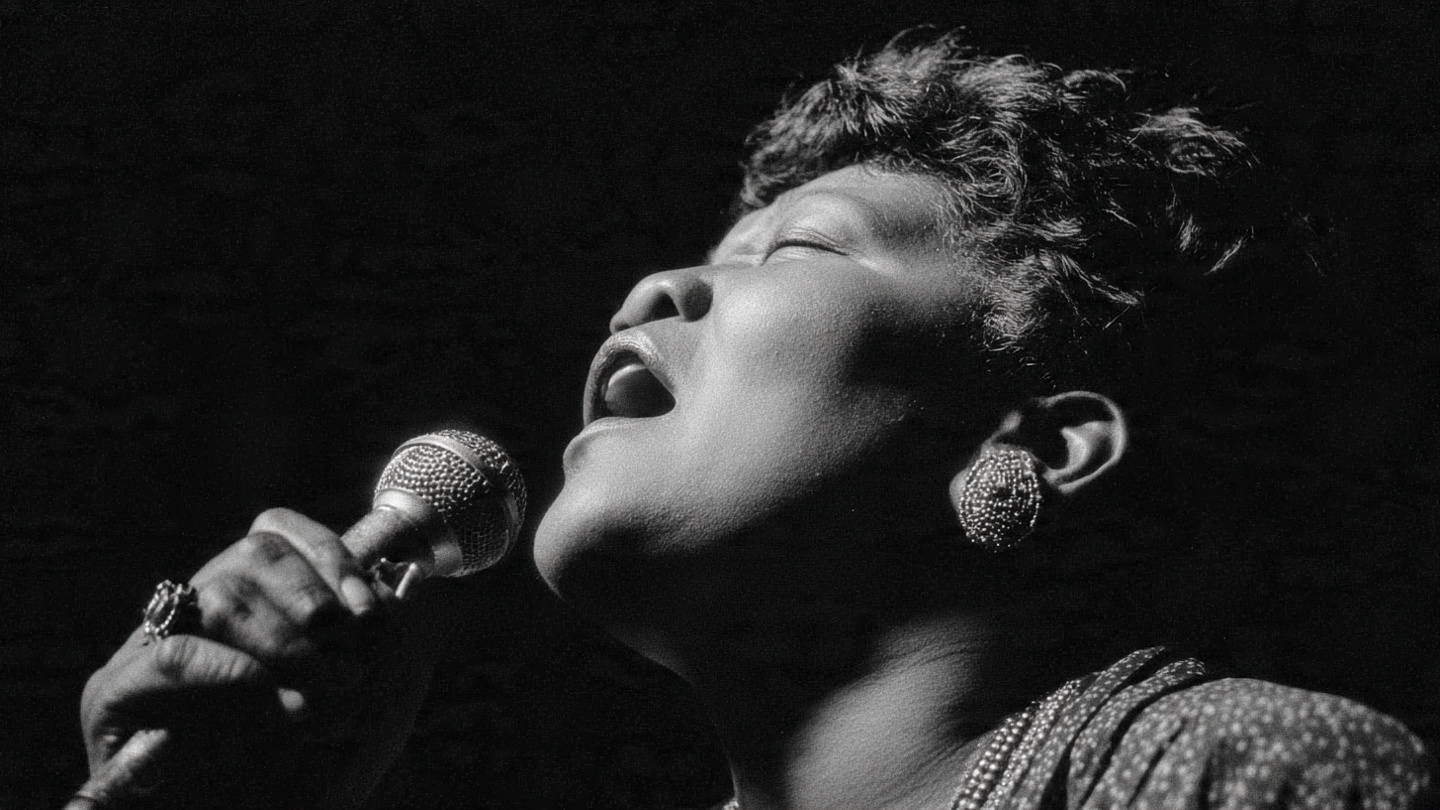

Big Mama Thornton was one of the most commanding and fearless voices in blues history. Her raw delivery, powerful presence, and uncompromising attitude helped shape blues and early rock music, even when she did not receive the recognition she deserved during her lifetime.
Born Willie Mae Thornton on December 11, 1926, in Montgomery, Alabama, she grew up surrounded by gospel and blues traditions. Her strong voice and natural rhythm quickly set her apart from other singers of her era.
Early Life and Musical Foundations
Big Mama Thornton learned music informally, absorbing sounds from church, street performances, and traveling musicians. Like many early blues artists, she relied on basic instruments and instinct rather than formal training.
This internal article explains the instruments commonly used by rural blues musicians:
👉 https://bluesmusica.com/what-instrument-would-rural-blues-musicians-most-often-use/
Her upbringing shaped her bold vocal delivery and rhythmic confidence.
A Voice That Could Not Be Ignored
Big Mama Thornton possessed a deep, growling voice filled with authority and emotion. She sang blues with honesty and strength, expressing independence and resilience at a time when such traits challenged social norms.
Her singing style influenced future generations of vocalists who valued power and authenticity over polish.
“Hound Dog” and Musical Impact
In 1952, Big Mama Thornton recorded Hound Dog, a song that showcased her fierce attitude and blues-rooted delivery. Although later versions became more commercially successful, Thornton’s original recording carried unmatched raw energy.
Her performance demonstrated how blues could directly influence the emerging sound of rock and roll.
Influence on Blues and Rock Artists
Big Mama Thornton influenced many blues and rock musicians, including Janis Joplin, who admired her emotional intensity and stage presence. Thornton’s fearless approach inspired artists to sing with authenticity rather than restraint.
Her impact on modern music connects to the broader evolution of blues into contemporary genres, discussed further in this internal article:
👉 https://bluesmusica.com/blues-influences-in-contemporary-rock-music/
Struggles and Recognition
Despite her influence, Big Mama Thornton faced financial hardship and limited industry support. Her work was often overshadowed by others who benefited more commercially from blues-based music.
Nevertheless, her artistic contribution remained undeniable. Her recordings continue to earn respect and recognition long after her passing.
Cultural Importance and Legacy
Big Mama Thornton stands as a symbol of strength, independence, and creative honesty. Her music represents voices that were often marginalized but deeply influential.
Institutions such as the Smithsonian National Museum of African American History and Culture recognize the importance of blues pioneers like Thornton in preserving African-American musical heritage:
👉 https://nmaahc.si.edu/
Why Big Mama Thornton Still Matters
Big Mama Thornton matters because she embodied the true spirit of blues—raw, emotional, and fearless. Her voice challenged expectations and reshaped what blues singers could be.
Her legacy lives on in every artist who dares to sing without compromise.
🎥 Blues Live Performance
Experience the living spirit of blues through this live performance:


