
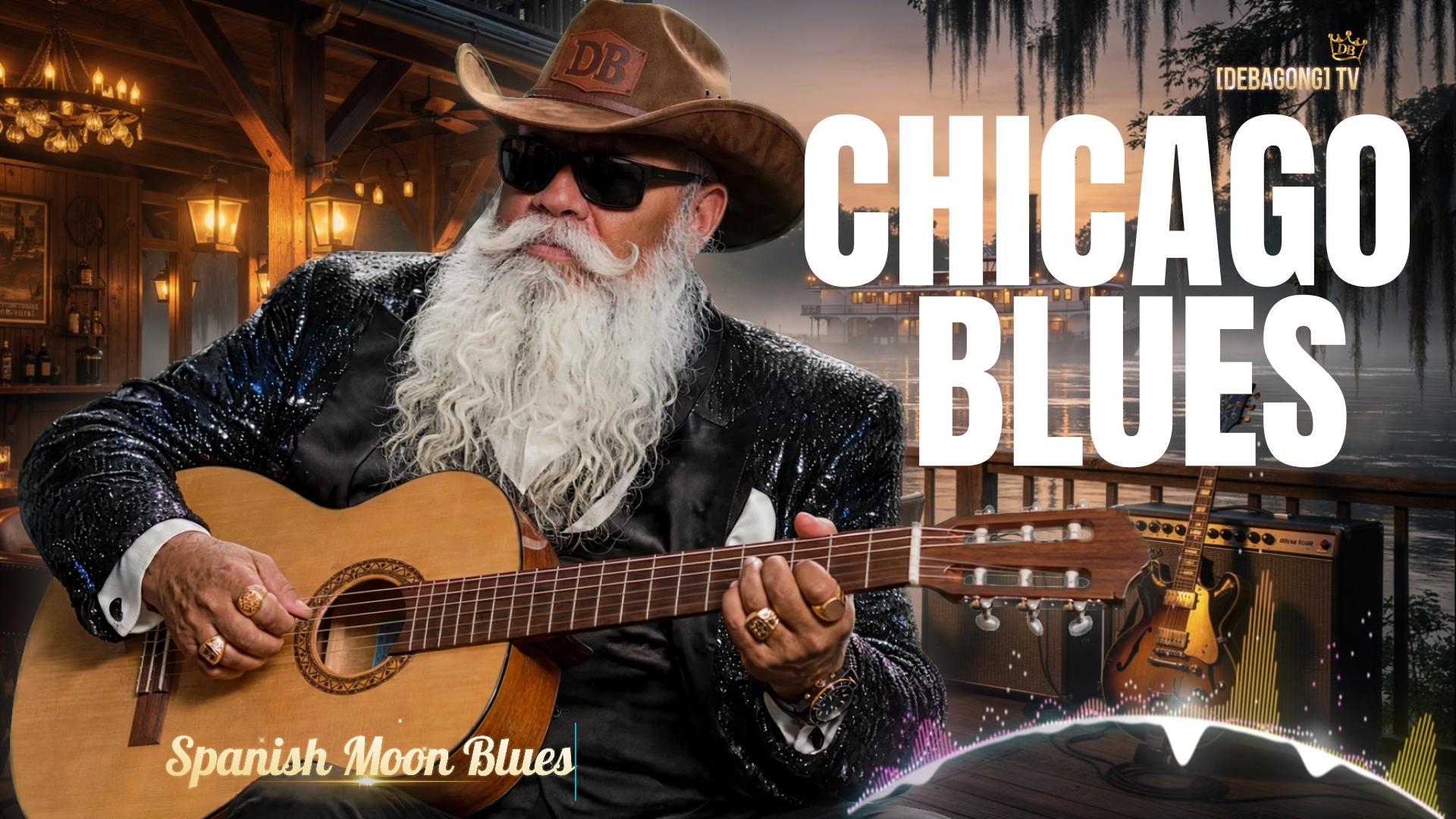
Blues Music News : The Return of the Blues How Africa is Reclaiming Its Ultimate Musical Export

bluesmusica.com/ : The blues is often celebrated as the definitive American art form. Born in the Mississippi Delta, it shaped jazz, rock and roll, and modern pop. However, the true heartbeat of the blues did not originate in America. It crossed the Atlantic centuries ago from the shores of Africa. Today, a powerful cultural shift is happening. African musicians and listeners are actively reclaiming this timeless genre, blending traditional roots with modern sounds to create a vibrant African blues renaissance.
The Deep Roots: From West Africa to the Mississippi Delta
To understand why the blues is resonating so deeply across Africa today, we must look at its history. The foundational elements of blues music—the call-and-response vocal patterns, the rhythmic syncopation, and the emotional storytelling—are directly traced back to West African musical traditions.
During the transatlantic slave trade, captured Africans carried these musical DNA strings in their memories. In the plantation fields of the American South, these traditions fused with spirituals and field hollers, eventually giving birth to the blues. When you listen to the hypnotic guitar riffs of Mississippi John Hurt or Ali Farka Touré, you are listening to two sides of the exact same coin. The blues is not just an American genre; it is an African heritage returning home.
The Desert Blues Phenomenon and Beyond
The modern revival of blues across the African continent is spearheaded by the sub-genre known globally as “Desert Blues” or Tishoumaren. Pioneered by legendary bands like Tinariwen from Mali, this style replaces the acoustic instruments of the past with electric guitars, driving rhythms, and poetic lyrics about exile, struggle, and freedom.
But the movement does not stop in the Sahara. Across the continent, diverse regions are defining their own blues identities:
- The West African Catalyst: Artists like Vieux Farka Touré and Fatoumata Diawara continue to bridge the gap between traditional Malian Wassoulou music and gritty American blues.
- The South African Acoustic Revival: In South Africa, a growing indie-blues scene is emerging in cities like Cape Town and Johannesburg, where local artists infuse Zulu and Xhosa folk rhythms into classic 12-bar blues structures.
- The East African Groove: Nations like Kenya and Ethiopia are seeing a rise in ethno-blues fusion, mixing traditional stringed instruments like the nyatiti with soulful blues scales.
Why the Blues is Booming in Africa Today
There are three major reasons why the blues is experiencing a massive digital and live music surge across African nations right now.
First, the emotional core of the blues focuses on overcoming hardship, storytelling, and resilience. This directly mirrors the everyday socio-economic realities and rich oral histories of many African youth.
Second, the global streaming boom via platforms like Spotify, Apple Music, and Boomplay has made catalog music highly accessible. Young African listeners are actively discovering the link between modern Afrobeats and vintage blues.
Third, there is a massive surge in local live music events. From boutique blues clubs in Nairobi to major international festivals, live performance spaces are giving local blues artists a platform to capture new audiences.
Shaping the Future of Global Music
The resurgence of blues music in Africa is far more than a passing nostalgic trend. It represents a profound cultural reclamation. By stripping away decades of commercialization, African musicians are injecting new life, complex rhythms, and unmatched urgency into the genre.
As African blues artists continue to headline global festivals and top world music charts, one truth becomes undeniable: the blues has finally come full circle, back to the soil where its rhythm first
began.