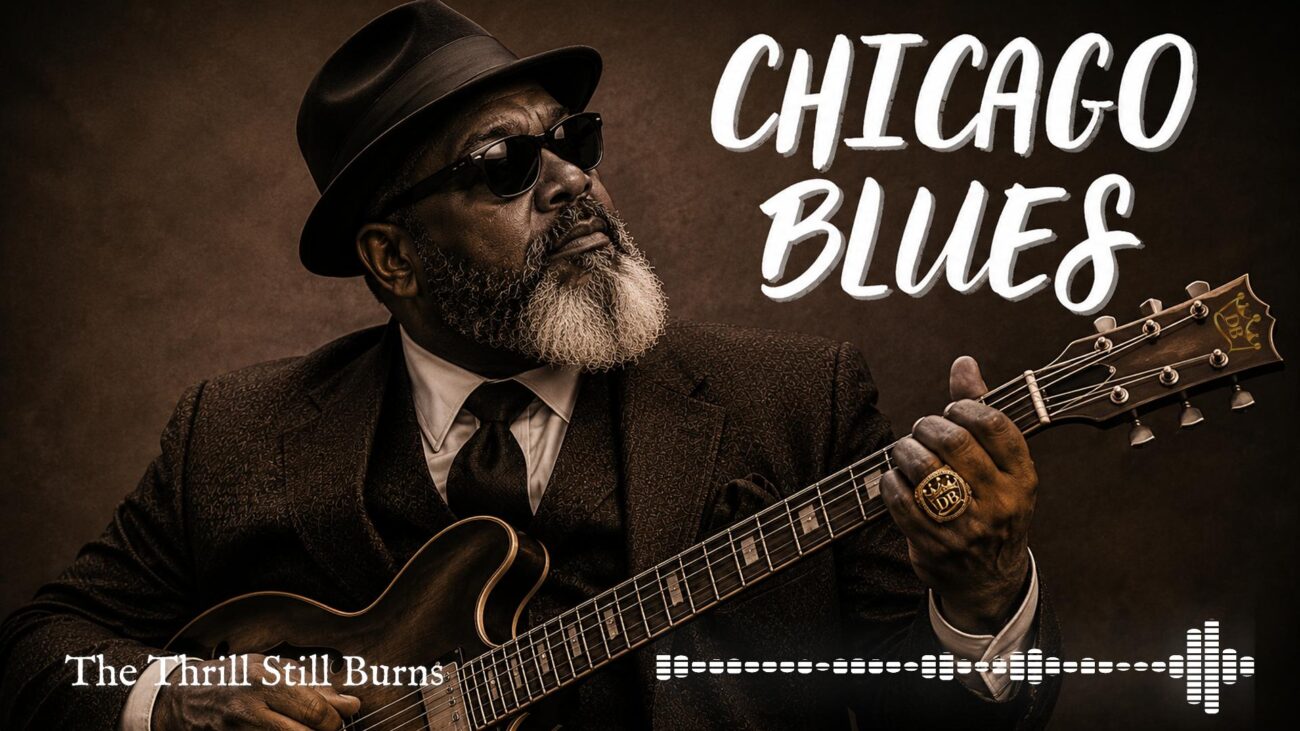

Modern blues rock songs combine the emotional character of traditional blues with the power, energy, and guitar-driven sound of modern rock music. The style continues to attract listeners who enjoy expressive guitar solos, strong rhythms, soulful vocals, and the raw feeling that has defined blues for generations.
Modern blues rock can be heard in everything from independent recordings and live performances to contemporary blues artists, rock bands, guitar-driven instrumental music, and modern interpretations of classic blues.
What Is Modern Blues Rock?
Modern blues rock is a contemporary form of blues rock that combines traditional blues influences with modern rock production, guitar tones, arrangements, and performance styles.
The sound can range from slow and atmospheric blues rock to powerful guitar-driven songs with heavier drums, distorted guitar, and aggressive dynamics.
Although modern blues rock can have a heavier sound than traditional blues, the emotional foundation often remains the same: expressive guitar playing, strong vocal delivery, memorable riffs, and storytelling.
The Roots of Blues Rock
Blues rock developed from the meeting of blues and rock music. Blues guitar techniques such as bending, vibrato, call-and-response phrasing, and pentatonic melodies became important elements in rock guitar.
The relationship between blues and rock can also be explored through the history of Chicago Blues, where amplified electric guitar and harmonica helped create a powerful urban blues sound.
Another important influence is Delta Blues, a style known for its raw guitar playing, vocal expression, and strong connection to blues storytelling.
How Modern Blues Rock Songs Sound
There is no single formula for modern blues rock. Different artists and producers approach the genre in different ways, but several musical characteristics appear frequently.
- Electric blues guitar
- Strong guitar riffs
- Blues-based chord progressions
- Guitar bending and vibrato
- Distorted or overdriven guitar tones
- Powerful drum performances
- Deep and expressive vocals
- Dynamic instrumental sections
- Extended guitar solos
- Modern studio production
The combination of these elements allows modern blues rock to maintain the emotional character of blues while creating a bigger and more contemporary sound.
Modern Blues Rock Guitar
Guitar remains one of the most important instruments in modern blues rock. Many players use traditional blues techniques while incorporating heavier tones, modern effects, and rock-oriented phrasing.
Blues guitar techniques such as bends, slides, vibrato, double stops, and pentatonic scales can create a highly expressive sound even when the overall production is heavier.
For readers interested in the instrument itself, our guide to blues guitar explores the history, style, sound, and techniques associated with blues guitar.
Modern Blues Rock Songs and Guitar Riffs
Guitar riffs are often central to modern blues rock songs. A strong riff can establish the mood of a song before the vocal begins.
Some modern blues rock compositions use simple repeating riffs, while others combine blues scales with heavier rock arrangements. The guitar may also move between rhythm playing and extended lead sections.
This combination gives modern blues rock its recognizable balance between groove and guitar expression.
Modern Blues Rock Vocal Style
Vocals are another important part of the genre. Modern blues rock singers often use a powerful, emotional delivery rather than a perfectly polished pop vocal style.
Raspy vocals, gritty textures, dynamic phrasing, and strong emotional expression can help create the feeling associated with blues rock.
The lyrical themes often include relationships, personal struggles, loneliness, freedom, life experiences, roads, cities, and the challenges of everyday life.
Modern Blues Rock Songs and Heavy Rock Influences
Some contemporary blues rock artists move toward a heavier sound by using high-gain guitar tones, larger drum production, and more aggressive arrangements.
This creates a connection between blues rock and heavier forms of rock music without completely abandoning the blues foundation.
Heavy blues rock can therefore appeal to listeners who enjoy both traditional blues guitar and modern rock energy.
Modern Blues Rock in Contemporary Music
Modern blues rock continues to develop through independent musicians, established blues artists, rock performers, live bands, and digital music platforms.
Streaming platforms have also made it easier for listeners to discover blues rock from different countries and musical backgrounds.
Contemporary blues musicians can now release music independently and reach international audiences without relying exclusively on traditional record labels or radio stations.
Watch Blues Rock Performance
Blues rock is a genre that is especially powerful when experienced through live guitar performance. Guitar tone, dynamics, improvisation, and interaction between musicians can become an important part of the listening experience.
Modern Blues Rock vs Traditional Blues
Traditional blues and modern blues rock share many musical foundations, but their presentation can be very different.
- Traditional blues: often focuses on raw performance, classic blues structures, and intimate instrumentation.
- Modern blues rock: often uses larger production, amplified guitars, heavier drums, and contemporary recording techniques.
- Blues rock: combines blues vocabulary with the energy and structure of rock music.
Despite these differences, the emotional connection between the styles remains strong. The guitar, rhythm, vocals, and storytelling continue to connect modern blues rock with its historical roots.
Why Modern Blues Rock Songs Remain Popular
One reason modern blues rock remains popular is its combination of simplicity and emotional depth. A blues-based riff can be easy to recognize while still giving musicians plenty of room for improvisation.
The genre also works well for listeners who enjoy guitar music. Long guitar solos, expressive bends, powerful riffs, and dynamic performances give blues rock a distinctive musical identity.
Modern production has expanded this sound even further, allowing artists to experiment with heavier guitars, atmospheric textures, electronic production elements, and different approaches to songwriting.
Modern Blues Rock Artists
The modern blues rock scene includes musicians from different generations and countries. Some artists remain close to traditional blues, while others incorporate rock, soul, Americana, and heavier guitar influences.
This diversity makes modern blues rock difficult to define with a single sound. Instead, it can be viewed as a broad musical space where blues guitar and rock energy meet.
Modern Blues Rock Songs for Guitar Lovers
For guitar lovers, modern blues rock provides an opportunity to hear traditional blues techniques presented through contemporary guitar tones and arrangements.
Listeners can find everything from slow blues rock songs and soulful guitar tracks to heavy blues rock performances with powerful riffs and extended solos.
The genre also provides a bridge between classic blues and modern rock, making it accessible to listeners who may discover blues music through guitar-based rock.
The Future of Modern Blues Rock
The future of modern blues rock will likely continue to develop through independent musicians, digital platforms, international collaborations, and new approaches to guitar production.
While technology changes the way music is recorded and distributed, the fundamental elements of blues rock remain remarkably consistent: guitar expression, rhythm, emotion, and storytelling.
That combination gives modern blues rock a strong foundation for continuing to evolve while maintaining a connection with the history of blues music.
Modern Blues Rock Songs: Final Thoughts
Modern blues rock songs represent the continuing evolution of blues music through contemporary guitar sounds, powerful performances, and modern production.
From traditional blues influences to heavier guitar-driven compositions, the genre continues to offer something for listeners who appreciate emotional vocals, expressive guitar playing, strong grooves, and authentic musical storytelling.
Blues Musica follows the development of blues music across different styles, artists, songs, and musical traditions as the genre continues to reach new audiences around the world.
Frequently Asked Questions
What are modern blues rock songs?
Modern blues rock songs combine traditional blues elements with contemporary rock guitar, drums, production, and songwriting. The sound can range from relaxed blues rock to heavy guitar-driven music.
What instruments are commonly used in modern blues rock?
Electric guitar, bass guitar, drums, vocals, and harmonica are common instruments. Some modern productions also use keyboards and additional studio instrumentation.
Is modern blues rock heavier than traditional blues?
It can be. Some modern blues rock uses distorted guitar, powerful drums, and heavier arrangements, while other artists maintain a softer and more traditional blues sound.
Why is guitar important in blues rock?
Guitar is one of the defining instruments of blues rock. Techniques such as bending, vibrato, slides, riffs, and improvisation help create the emotional character of the genre.
Can modern blues rock include heavy rock influences?
Yes. Modern blues rock can incorporate heavier guitar tones, aggressive rhythms, and elements of hard rock while retaining blues-based melodies, phrasing, and musical structures.
Explore More Blues Music
Explore more blues history, guitar styles, artists, songs, and contemporary blues music through Blues Musica.
modern-blues-rock-songs