
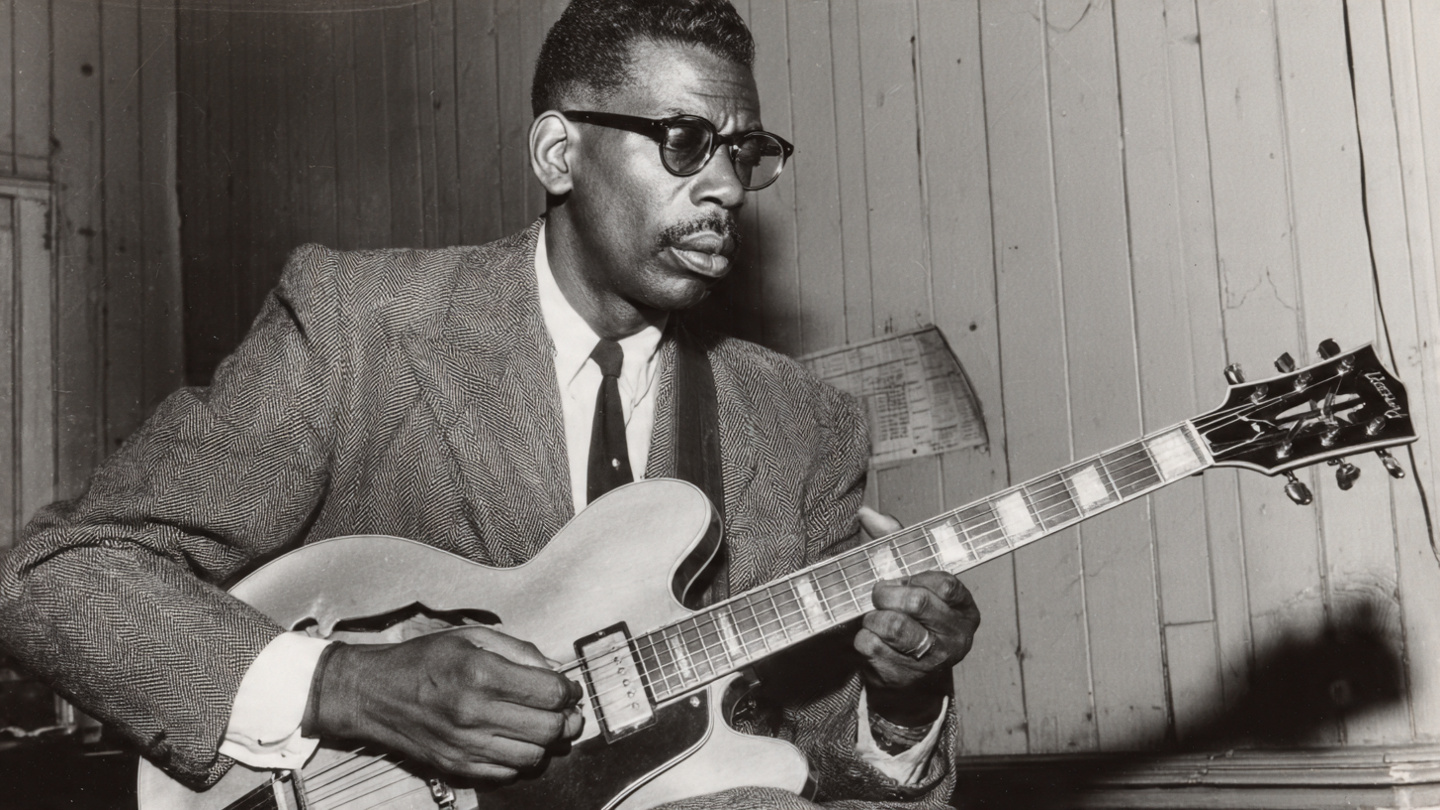
Elmore James: The King of the Slide Guitar

Elmore James is universally recognized as the King of the Slide Guitar. His aggressive electric tone, emotional intensity, and unmistakable slide technique defined a new era of blues music and laid the foundation for modern blues-rock.
Born Elmore Brooks on January 27, 1918, in Richland, Mississippi, he grew up in the heart of the Mississippi Delta. Like many rural blues musicians, his early exposure to music came from local gatherings, juke joints, and the deep oral traditions of the South.
Early Life in the Mississippi Delta
Elmore James learned music in an environment where blues was not entertainment but a form of survival and expression. He played homemade instruments before eventually acquiring a guitar, following the same path as many early blues artists.
For insight into the simple instruments that shaped early blues musicians, this internal article provides helpful context:
👉 https://bluesmusica.com/what-instrument-would-rural-blues-musicians-most-often-use/
During his early years, Elmore James was heavily influenced by Delta blues pioneers, particularly Robert Johnson. His admiration for Johnson’s work would later shape his most famous recordings.
The Birth of a Slide Guitar Legend
Elmore James’s signature sound came from his mastery of bottleneck slide guitar combined with raw electric amplification. His slide playing was louder, sharper, and more aggressive than anything heard before.
In 1951, he recorded Dust My Broom, a reimagining of Robert Johnson’s original song. The opening slide riff became one of the most recognizable sounds in blues history. This recording marked a turning point, bringing Delta blues fully into the electric age.
Electric Blues and Chicago Influence
Although rooted in the Delta, Elmore James became a major figure in the Chicago blues scene. Chicago provided electricity, recording studios, and audiences ready for a louder, more intense blues sound.
His music bridged rural Delta traditions with urban electric blues, influencing a generation of musicians who followed. This evolution of blues into modern forms is explored further in this internal resource:
👉 https://bluesmusica.com/blues-influences-in-contemporary-rock-music/
Influence on Rock and Modern Blues
Elmore James’s slide guitar style directly influenced rock and blues guitarists such as Duane Allman, Eric Clapton, George Harrison, and Stevie Ray Vaughan. His use of distortion, sustain, and emotional phrasing became essential elements of modern guitar playing.
Unlike technically complex players, Elmore James focused on feeling and power, proving that emotion mattered more than precision.
Short Life, Lasting Impact
Despite his enormous influence, Elmore James lived a short life. He passed away in 1963 at the age of 45 due to heart-related illness. However, his impact on music far outlived his years.
Today, Elmore James is recognized as one of the most influential blues musicians of all time. His recordings remain essential listening for anyone seeking to understand the roots of electric blues.
Institutions such as the Smithsonian National Museum of African American History and Culture acknowledge the importance of artists like Elmore James in preserving African-American musical heritage:
👉 https://nmaahc.si.edu/
Why Elmore James Still Matters
Elmore James matters because he transformed blues guitar forever. He gave the blues a voice that was loud, emotional, and unapologetically raw.
His music stands as proof that blues can evolve without losing its soul. Every slide note he played continues to echo through modern blues and rock music.
🎥 Blues Live Performance
Feel the living energy of blues through this live performance:


