
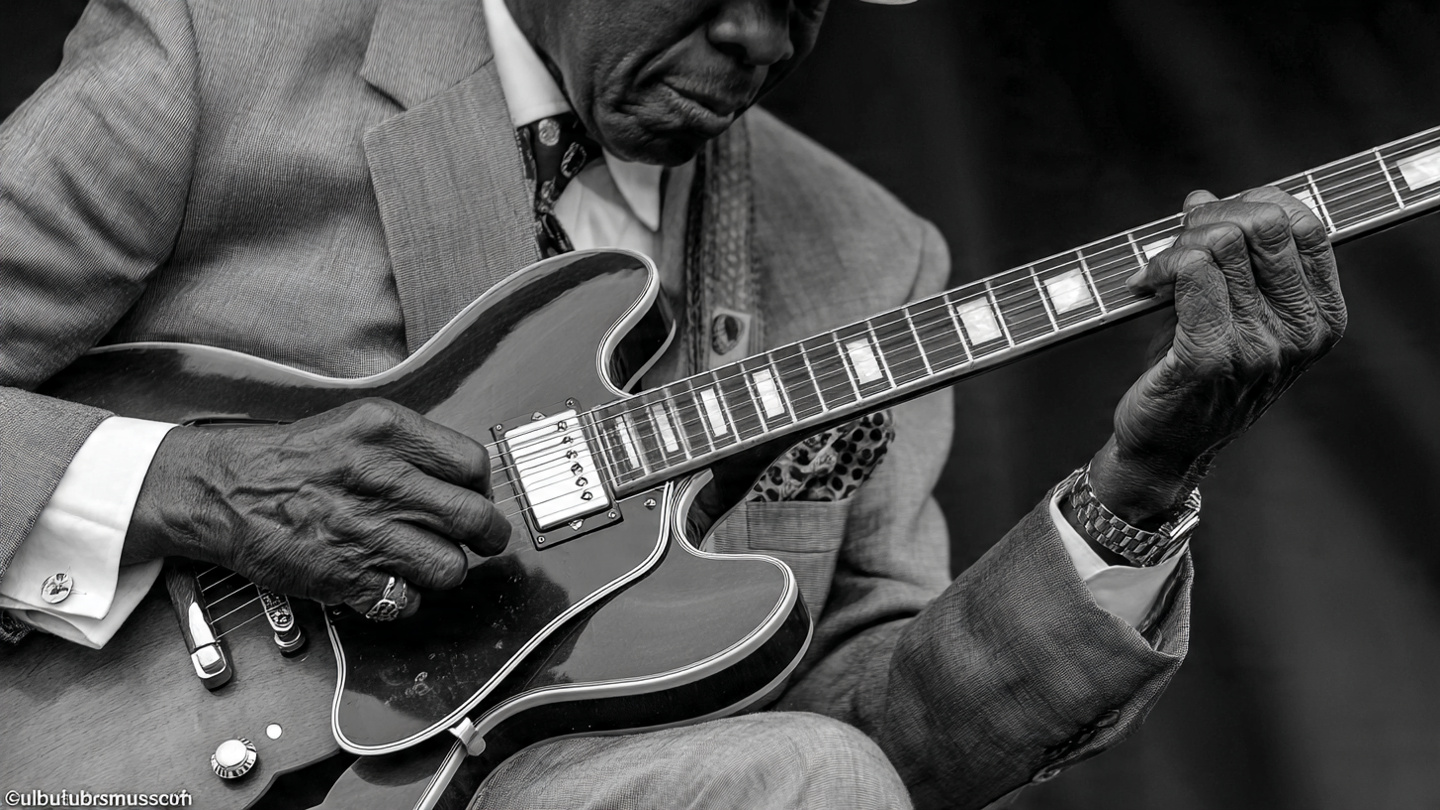

Otis Rush was one of the most emotionally intense blues musicians to emerge from the Chicago blues scene. His expressive guitar tone, dramatic vocals, and minor-key sound created a deep emotional impact that continues to influence blues and rock musicians today.
Born Otis Rush Jr. on April 29, 1934, in Mississippi, he later moved to Chicago, where electric blues was rapidly evolving. Rush became a central figure in shaping a darker, more emotional blues sound.
Early Life and Musical Foundations
Otis Rush grew up surrounded by Southern blues traditions before relocating to Chicago as a teenager. Like many early blues musicians, he learned informally and developed his style through experience rather than formal education.
The basic tools used by early rural blues musicians are explained in this internal article:
👉 https://bluesmusica.com/what-instrument-would-rural-blues-musicians-most-often-use/
These roots shaped Rush’s emotional approach to music.
A Left-Handed Guitar Legend
Otis Rush was famous for playing guitar left-handed while using a right-handed guitar strung upside down. This unusual setup contributed to his distinctive phrasing and bending technique.
His guitar tone sounded raw, crying, and deeply personal. Rush often used slow tempos and dramatic pauses, allowing emotion to guide his playing rather than technical speed.
The West Side Chicago Blues Sound
Otis Rush became a defining figure of the West Side Chicago blues style. This sound emphasized minor keys, extended solos, and intense emotional expression.
Songs like I Can’t Quit You Baby and All Your Love (I Miss Loving) became blues standards and were later covered by major rock artists.
Influence on Blues and Rock Musicians
Otis Rush heavily influenced guitarists such as Eric Clapton, Peter Green, and Mike Bloomfield. His emotional phrasing helped bridge traditional blues with blues-rock and modern electric guitar styles.
This evolution of blues into modern music is explored further in this internal article:
👉 https://bluesmusica.com/blues-influences-in-contemporary-rock-music/
Rush’s sound proved that blues could be powerful, expressive, and psychologically deep.
Struggles and Artistic Integrity
Despite his influence, Otis Rush never achieved consistent commercial success. Health issues and industry challenges limited his recording output.
However, his artistic integrity remained intact. Rush focused on emotional truth rather than commercial trends, which earned him deep respect among musicians and blues historians.
Cultural Recognition and Legacy
Otis Rush is recognized as one of the most important electric blues guitarists in history. His recordings continue to be studied by musicians seeking emotional depth in their playing.
Institutions such as the Smithsonian National Museum of African American History and Culture acknowledge the importance of blues pioneers like Otis Rush in preserving African-American musical heritage:
👉 https://nmaahc.si.edu/
Why Otis Rush Still Matters
Otis Rush matters because he brought emotional vulnerability to electric blues. His music speaks directly to the listener, expressing pain, love, and resilience without compromise.
His legacy lives on in every guitarist who values emotion over technique.
🎥 Blues Live Performance
Experience the living spirit of blues through this live performance:


